Protecting Your Little Ones: How Baby Gear Cleaning Helps Reduce the Risk of Measles
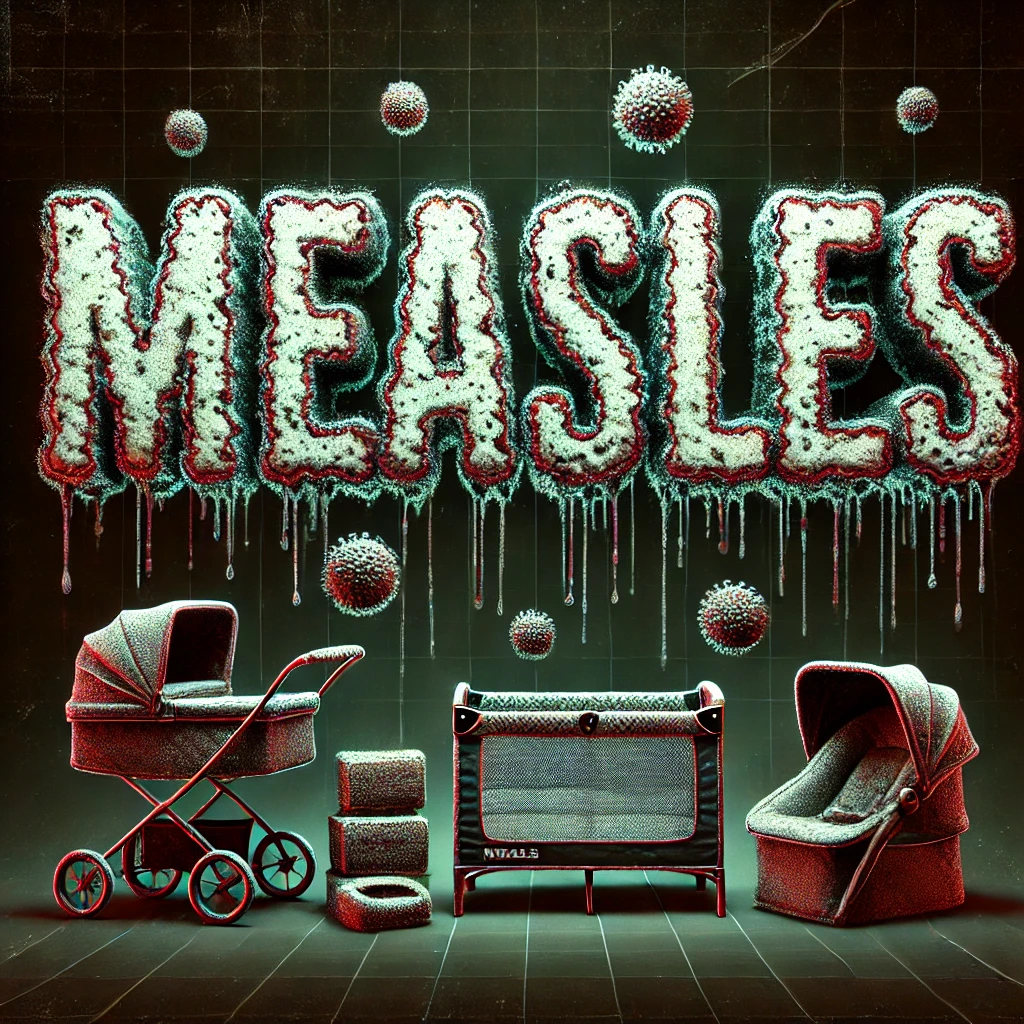
Measles has been making headlines again as cases rise in different parts of the world. For parents of infants and young children, this can be concerning—especially since babies under 12 months old aren’t yet eligible for the measles vaccine.
At Germz Be Gone, we’re committed to creating cleaner, safer environments for children by deep cleaning baby gear and using advanced disinfecting techniques like fogging and probiotics. In this post, we’ll explain what measles is, how it spreads, and how regular cleaning of strollers, car seats, and play areas can help reduce exposure.
What Is Measles and How Does It Spread?
Measles is a highly contagious virus that spreads through the air when an infected person coughs or sneezes. The virus can linger in the air and on surfaces for up to two hours, meaning that someone can get infected just by being in the same room where an infected person recently was.
Common symptoms of measles include:
High fever
Cough and runny nose
Red, watery eyes
A rash that spreads across the body
While most people recover, measles can lead to serious complications—especially in babies, young children, and those with weakened immune systems. That’s why prevention is key.
Why Are Measles Cases on the Rise?
Over the past few decades, the world has made great progress in reducing measles cases. However, in recent years, cases have started increasing again. Some of the reasons include:
Missed or delayed vaccinations – Many children have fallen behind on routine vaccinations due to healthcare disruptions.
International travel – Measles can easily spread when travelers bring the virus from one country to another.
Community outbreaks – If measles enters a group where people are not immune, it can spread quickly.
The good news is that we have ways to protect our families and communities—starting with good hygiene and regular cleaning practices.
How Baby Gear Cleaning Can Help Reduce the Risk of Measles
Since measles can survive on surfaces for up to two hours, keeping baby gear clean is essential—especially since little ones constantly touch and put things in their mouths.
At Germz Be Gone, we specialize in deep cleaning baby gear like:
Strollers
Car seats
High chairs
Playpens
Toys
Our cleaning process removes germs, bacteria, and allergens that could be lingering on these items.
Our Cleaning Process Includes:
1. Steam Cleaning
Uses high-temperature steam to naturally kill viruses and bacteria without harsh chemicals.
Penetrates deep into fabrics and hard-to-clean areas for a thorough clean.
2. Thymol-Based Disinfecting
Thymol is a plant-based disinfectant derived from thyme, known for its powerful ability to kill 99.99% of viruses and bacteria.
Unlike harsh chemical cleaners, it is safe for babies, pets, and sensitive skin.
3. Probiotic Cleaning for Long-Term Protection
After disinfecting, we apply probiotics to restore healthy bacteria on surfaces.
These beneficial microbes help create a natural barrier against harmful germs.
Probiotics continue working for days after cleaning, offering long-lasting protection.
Taking Cleaning Beyond Baby Gear: Fogging for Extra Protection
For parents who want even more protection, especially in high-traffic areas like playrooms and daycare centers, fogging can be an excellent solution.
How Fogging Helps:
Uses a fine mist to disinfect entire rooms quickly and efficiently.
Reaches hard-to-clean areas like playrooms, cribs, and shared spaces.
Uses thymol-based disinfectants, which are both effective and safe for children.
Helps reduce the spread of viruses, bacteria, and allergens.
If you run a daycare, playgroup, or baby-friendly business, this can be a great way to maintain a clean and healthy environment.
Final Thoughts: Keeping Kids Safe and Healthy
Measles is preventable, and every step we take matters in protecting our children.
Regular baby gear cleaning helps remove germs and allergens.
Disinfecting and fogging provide extra protection in high-risk areas.
Probiotic cleaning supports a healthier environment over time.
At Germz Be Gone, we’re here to help parents create cleaner, safer spaces for their children. Whether you need a deep clean for your baby gear or want to learn more about fogging and probiotics, we’ve got you covered.
Together, we can take simple, effective steps to keep our little ones safe from germs and illness.
Eggshell Parenting: Protecting Your Child’s Emotional Well-Being
Discover what eggshell parenting is. New trend or ridiculous fad?
Understanding Eggshell Parenting and How Germz Be Gone Can Help
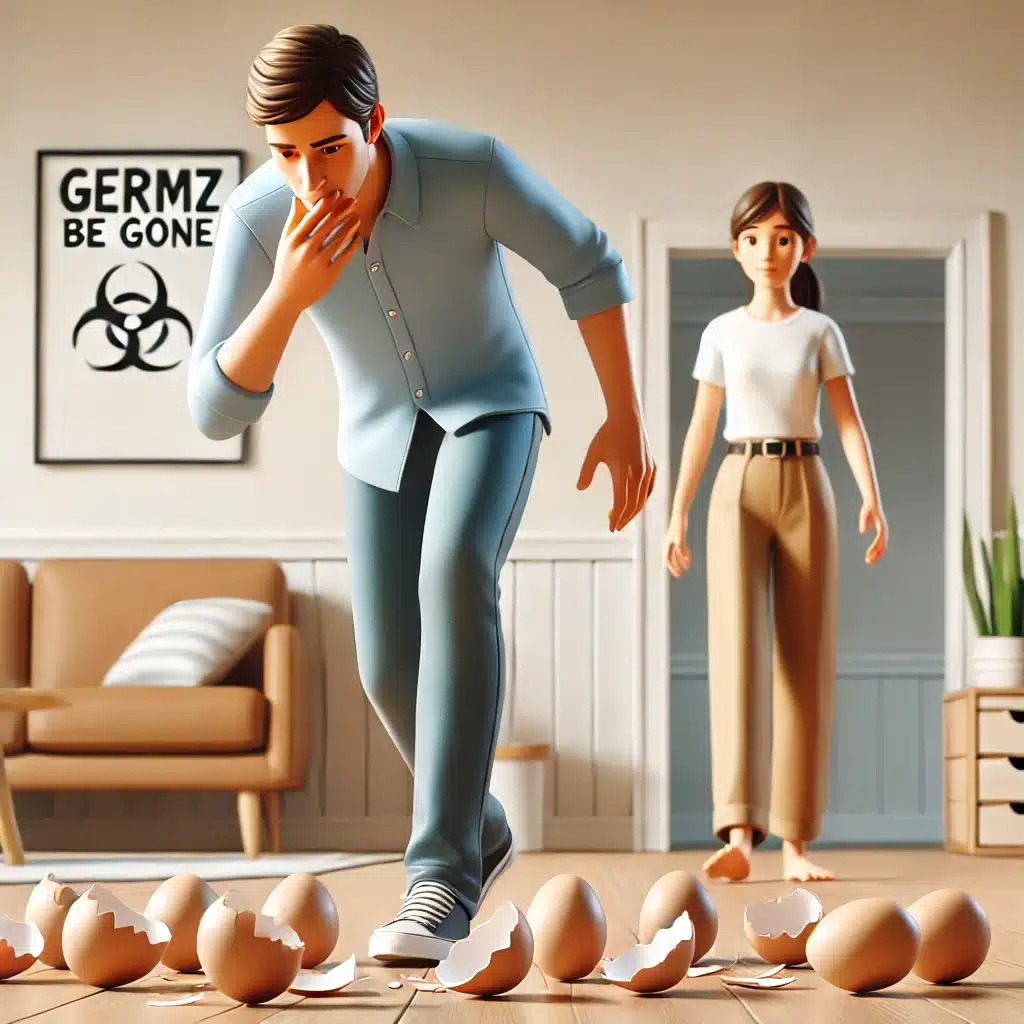
In the ever-evolving landscape of parenting styles, a new term is gaining traction: “eggshell parenting.” This approach, characterized by parents walking on eggshells around their children to avoid conflict and distress, has sparked discussions among experts and parents alike. As this trend rises, it’s crucial to understand its implications and how services like Germz Be Gone can play a role in supporting families adopting this parenting style.
What is Eggshell Parenting?
Eggshell parenting refers to a style where parents are exceedingly cautious and sensitive in their interactions with their children, aiming to prevent emotional outbursts or discomfort. This approach often involves avoiding strict discipline, shielding children from potential stressors, and creating a highly controlled environment to maintain peace and harmony. The term “eggshell parenting” is derived from the notion of parents metaphorically walking on eggshells around their children to avoid triggering negative emotional responses .
A parent carefully walking on the top of a giant eggshell, symbolizing the delicate nature of eggshell parenting and the need for a controlled, stress-free environment.
The Origins and Rise of Eggshell Parenting
The rise of eggshell parenting can be attributed to several societal shifts. Increased awareness of mental health issues, the impact of the pandemic on family dynamics, and the influence of social media have all contributed to this trend. Parents are more informed about the potential psychological impacts of traditional disciplinary methods and are seeking alternative ways to nurture their children’s emotional well-being.
The Pros and Cons of Eggshell Parenting
Pros:
Emotional Awareness: Eggshell parenting promotes a heightened awareness of a child’s emotional state, encouraging parents to be more attuned to their children’s feelings and needs.
Reduced Conflict: By avoiding confrontational situations, this parenting style aims to reduce conflict and create a more peaceful home environment.
Supportive Atmosphere: Children raised in an eggshell parenting environment may feel more supported and understood, potentially leading to better mental health outcomes.
Cons:
Lack of Resilience: Critics argue that shielding children from all forms of stress can hinder their ability to develop resilience and cope with challenges.
Overprotection: Excessive protection may prevent children from learning important life skills, such as problem-solving and dealing with failure.
Parental Burnout: The constant effort to maintain a stress-free environment can lead to significant parental stress and burnout.
The Role of Germz Be Gone in Supporting Eggshell Parenting
Germz Be Gone, a leading baby gear cleaning service, is uniquely positioned to support families practicing eggshell parenting. Here’s how:
1. Creating a Safe and Hygienic Environment
Eggshell parenting often involves creating a safe and controlled environment for children. Germz Be Gone specializes in sanitizing baby gear, ensuring that items like car seats, strollers, and high chairs are free from harmful germs and allergens. This service aligns perfectly with the goals of eggshell parents who prioritize their child’s health and safety.
2. Reducing Parental Stress
Maintaining a clean and germ-free environment can be time-consuming and stressful for parents. Germz Be Gone offers a convenient solution, allowing parents to outsource this task to professionals. By doing so, parents can focus more on their child’s emotional needs without the added burden of constant cleaning.
3. Allergy Relief Services
Children in eggshell parenting environments are often more closely monitored for allergies and sensitivities. Germz Be Gone’s allergy relief services, including BioBalance Fogging, help reduce allergens in the home, providing a healthier living space for sensitive children.
4. Educational Resources
Germz Be Gone goes beyond cleaning by offering educational resources on maintaining a hygienic environment. These resources empower parents with knowledge about best practices for keeping their homes and baby gear clean, which is especially valuable for eggshell parents who strive to protect their children from potential harm.
A serene and clean modern nursery with sanitized baby gear, emphasizing hygiene and cleanliness by Germz Be Gone.
Practical Tips for Eggshell Parents
1. Balance is Key
While it’s important to create a safe and supportive environment, it’s equally crucial to allow children to face manageable challenges. This helps build resilience and problem-solving skills.
2. Prioritize Mental Health
Monitor your child’s emotional well-being and seek professional help if needed. Mental health professionals can provide guidance on how to support your child’s emotional development without overprotecting them.
3. Communicate Openly
Maintain open lines of communication with your child. Encourage them to express their feelings and concerns, and listen actively without judgment.
4. Set Boundaries
Establish clear and consistent boundaries. While it’s important to avoid unnecessary conflict, children also need structure and limits to feel secure.
5. Take Care of Yourself
Parental burnout is a real concern. Ensure you take time for self-care and seek support from friends, family, or professional services like Germz Be Gone to reduce your stress load.
Moving Forward with Confidence
Eggshell parenting is a reflection of the growing emphasis on emotional well-being and mental health in modern parenting. While it has its benefits, it’s important to approach this style with a balanced perspective to avoid potential pitfalls. Services like Germz Be Gone can play a crucial role in supporting eggshell parents by providing a clean and safe environment, reducing parental stress, and offering valuable educational resources. By leveraging these services, parents can focus more on nurturing their child’s emotional development while maintaining a healthy and harmonious home.
Germz Be Gone is committed to helping families navigate the complexities of modern parenting, ensuring that both parents and children thrive in a safe and supportive environment. As the trend of eggshell parenting continues to grow, Germz Be Gone stands ready to support parents every step of the way.
As parents, caregivers, or anyone involved in a child’s life, ensuring the safety and wellbeing of our little ones is our top priority. A crucial, yet often overlooked aspect of this is baby gear cleaning. That’s right, the very things that are used by your baby on a daily basis. This guide is dedicated to the vital task of keeping baby gear clean, not just to make them look good, but to ensure they remain safe and hygienic for the most delicate and precious users.
Clean baby gear is more than just an aesthetic necessity; it’s a health imperative. Babies, especially newborns and infants, have underdeveloped immune systems. This makes them particularly vulnerable to infections and illnesses that can stem from improperly cleaned gear. Whether it’s a bottle, a crib, or a toy, every item that comes into contact with a baby needs to be cleaned and maintained with the utmost care. By practicing regular baby gear cleaning you can avoid some very serious consequences.
Scope of the Baby Gear Cleaning Guide
In this comprehensive guide, we will delve into the various aspects of baby gear cleaning, covering everything from the simple washing of feeding bottles to the deep cleaning of cribs and strollers. We will explore the types of baby gear that require regular cleaning, understand the materials they are made from, and learn the best practices for their maintenance.
A key component of this guide will be addressing the risks associated with improper cleaning – from the spread of germs and bacteria to the potential dangers of using harsh chemicals. We will also provide specific cleaning guides for different types of baby gear, ensuring that you have all the knowledge and tools at your disposal to keep your baby’s environment clean, safe, and nurturing.
Join us in this essential journey to create a cleaner, safer world for our babies, understanding that every scrub, rinse, and wipe is a step towards their health and happiness.
Clean baby gear is essential to your baby’s health.
Understanding Baby Gear Cleaning
As a baby gear cleaning expert with over 12 years of experience, I’ve seen firsthand the variety and complexity of items that parents use daily for their babies. This section will help you understand the different types of baby gear and the materials they’re made from, which is crucial for determining the best cleaning methods.
Types of Baby Gear
Baby gear can be broadly categorized into several groups, each serving a different aspect of baby care:
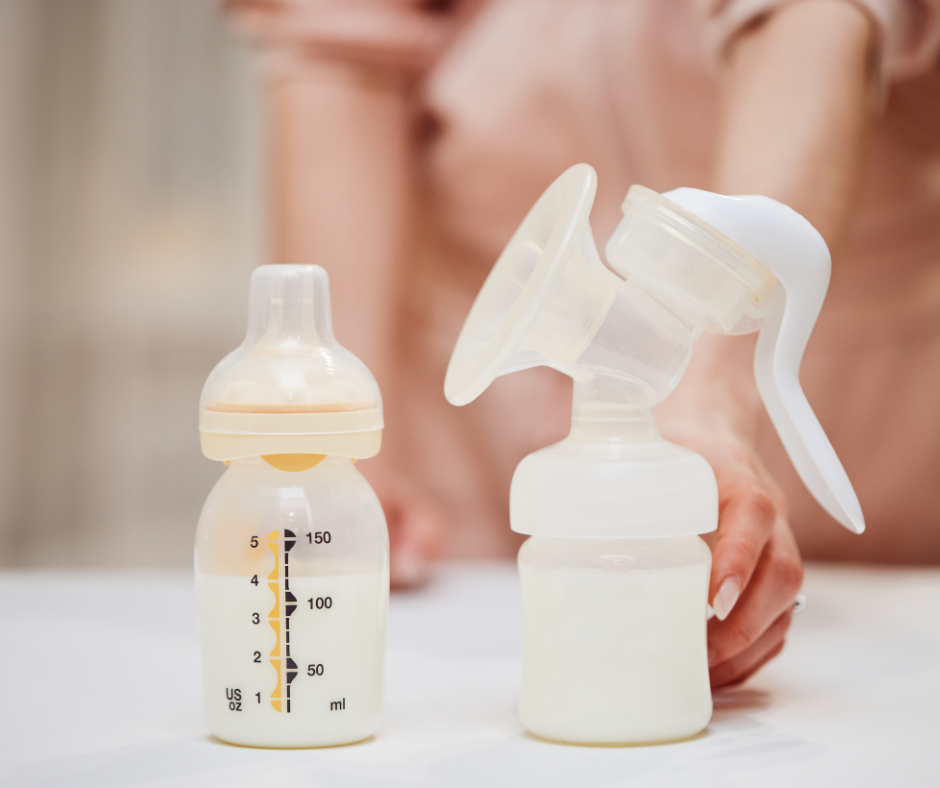
Feeding Equipment: This includes bottles, nipples, sippy cups, breast pump parts, and feeding utensils. Given that these items are in direct contact with your baby’s food, they require the most frequent and thorough cleaning.
Sleeping Gear: Items like cribs, bassinets, mattresses, and bedding are essential for a baby’s safe and comfortable sleep. Understanding how to clean these items is vital for preventing the buildup of allergens and bacteria.
Travel Gear: Car seats and strollers not only get dirty from regular use but also are exposed to various outdoor elements. They have unique cleaning needs due to their complex structures and variety of materials.
Play Gear: This category covers a wide range of items, from toys to play mats and bouncers. Each type of toy, whether plastic, plush, or electronic, requires specific cleaning considerations to maintain hygiene and functionality.
Clothing and Accessories: Baby clothes, bibs, and cloth diapers are in constant contact with sensitive skin and thus, need regular washing. Proper cleaning techniques are crucial to avoid irritation and ensure durability.
Materials Used in Baby Gear
Understanding the materials used in baby gear is key to choosing the right cleaning methods:
Plastics: Common in feeding equipment and toys, plastics require gentle yet effective cleaning to remove milk residue, food particles, and bacteria without causing degradation.
Silicones: Often used for nipples and teething toys, silicone is durable and heat-resistant but can retain odors if not cleaned properly.
Fabrics: Used in clothing, bedding, and some strollers and car seats, fabrics can harbor allergens and stains, necessitating regular washing with baby-safe detergents.
Metals: Found in gear structures like cribs and strollers, metal parts need to be cleaned to prevent rust and maintain structural integrity, especially if they are exposed to moisture.
Each of these materials has its own cleaning needs and challenges. The subsequent sections will delve deeper into the specifics of cleaning each type of gear and material, ensuring that you are equipped with the knowledge to maintain a clean, hygienic, and safe environment for your baby.
Cleaning Basics
After understanding the types and materials of baby gear, it’s essential to grasp the basics of cleaning. This knowledge forms the foundation for ensuring all baby items are not just visually clean but also hygienically safe. Here, we’ll discuss the cleaning agents and tools that are both effective and safe for baby gear, followed by basic cleaning techniques that can be applied across various types of gear.
Cleaning Agents and Tools
Choosing the right cleaning agents and tools is crucial to effectively clean baby gear without causing harm to the materials or, more importantly, to the baby.
Cleaning Agents:
Natural Cleaners: Options like vinegar, baking soda, and mild dish soap are often sufficient for most baby gear. They are less likely to leave harmful residues and are generally safe for sensitive skin.
Chemical Cleaners: For tougher cleaning jobs, especially where disinfection is needed, certain chemical cleaners can be used. It’s essential to choose those that are baby-safe, fragrance-free, and rinse off easily. I’m always a supporter of nontoxic disinfectants as they are often more powerful at killing germs than its Big Chemical counterparts and many are gentle enough for your baby’s exposure as well as the safety components of the gear itself.
Cleaning Tools:
Soft Brushes and Sponges: Ideal for scrubbing without scratching surfaces, particularly useful for bottles and feeding equipment.
Microfiber Cloths: Great for wiping down and drying items without leaving lint behind.
Toothbrushes (unused): Handy for getting into small crevices, especially in toys and high-chair trays.
Basic Baby Gear Cleaning Techniques
The following basic techniques are applicable to most baby gear items and should be part of your regular cleaning routine:
Washing:
For most items, washing with warm water and a mild detergent is effective. Ensure that all parts are disassembled if possible to reach hidden areas where grime and bacteria may accumulate.
Scrubbing:
For items with stubborn residue, like dried milk in bottles or food on high chairs, gentle scrubbing may be necessary. Use soft brushes or sponges to avoid damaging the surfaces.
Soaking:
Soaking items in a mixture of warm water and mild detergent can help loosen dirt and grime, making it easier to clean them thoroughly.
Rinsing:
This step is crucial, especially for items used for feeding. Rinse thoroughly with clean water to ensure all soap and cleaning agents are removed.
Drying:
Air-drying is often the safest method, as it avoids the potential for contamination from towels and may prevent shrinkage of fabrics. Items should be completely dry before reassembly or storage to prevent mold or bacteria growth.
These basic cleaning practices are the starting point for maintaining all types of baby gear. As we progress through the guide, we will explore more detailed and specific cleaning methods tailored to different items, keeping in mind that the ultimate goal is to ensure the items are safe and hygienic for baby use.
Deep Cleaning and Disinfection
While basic cleaning is essential for daily maintenance, deep cleaning and disinfection are critical for ensuring the highest level of hygiene, especially after illness or when dealing with tougher grime. This section covers the methods and occasions for deep cleaning, along with safety precautions to consider.
When and Why to Deep Clean
Understanding when to perform a deep clean is as important as knowing how to do it:
Routine Schedules:
Even without visible dirt or grime, it’s advisable to deep clean baby gear regularly. A monthly schedule is often sufficient for most items, but this can vary based on usage and exposure to dirt.
Post-Illness or Contamination:
After a baby recovers from an illness, deep cleaning and disinfecting their gear is crucial to eliminate any lingering germs and prevent re-infection.
If gear has been exposed to potential contaminants, such as during travel or outdoor activities, a thorough clean is necessary.
Keep a cleaning schedule or routine to ensure a clean environment for your child.
Methods of Deep Cleaning and Disinfecting
Different methods can be employed for deep cleaning, each suited to various types of gear. It’s important to use nontoxic methods, cleaners and disinfectants wherever possible.:
A chemical-free way to kill bacteria and viruses, particularly useful for small items like pacifiers, bottle nipples, and teething toys.
Chemical Disinfectants:
When using chemical disinfectants, choose those approved as safe for baby gear. Ensure they are used according to manufacturer instructions and that all items are thoroughly rinsed afterward.
Safety Precautions with Disinfectants
Using disinfectants requires careful consideration to avoid potential risks:
Proper Handling and Usage:
Always follow the manufacturer’s guidelines for dilution and application. Wear gloves if recommended, and ensure good ventilation during use.
Risks Associated with Overuse or Misuse:
Excessive use of disinfectants can lead to residue buildup, which may be harmful if ingested. It can also lead to the degradation of certain materials over time.
Incorrect usage, such as mixing different chemicals, can create harmful fumes or compounds.
Deep cleaning and disinfection play a vital role in maintaining the hygiene and longevity of baby gear. By following these guidelines, parents and caregivers can ensure that the items are not only visually clean but also free from harmful germs and bacteria.
Specific Cleaning Guides for Different Baby Gear
Having covered the basics of cleaning and the importance of deep cleaning, we now focus on specific cleaning instructions for various types of baby gear. Each type requires unique considerations to ensure they are cleaned effectively and safely.
Feeding Equipment
Feeding equipment is in constant contact with your baby’s food, making its cleanliness crucial.
Bottles, Nipples, and Breast Pump Components:
Disassemble all parts and wash with warm, soapy water.
Use a bottle brush for thorough cleaning inside the bottle and a nipple brush for the nipples.
For deep cleaning, consider using a steam sterilizer or boiling water for at least 5 minutes.
Allow to air dry on a clean drying rack.
High Chairs and Feeding Trays:
Wipe down daily with a damp cloth and mild detergent.
For deep cleaning, remove the tray and any removable parts and wash them separately.
Check the nooks and crannies for hidden food particles.
Use a bottle brush for thorough cleaning inside the bottle and a nipple brush for the nipples.
Sleeping Gear
A clean sleeping area is vital for a baby’s health and comfort.
Cribs, Mattresses, and Bedding:
Regularly wash bedding in hot water and gentle detergent.
Wipe down the crib frame with a mild detergent and warm water.
Vacuum the mattress monthly and spot clean any stains.
Consider using a waterproof mattress cover for easier cleaning.
Washing and Sterilizing Sleep Toys:
Plush toys can often be machine washed. Check the label for instructions.
For non-washable toys, wiping with a damp cloth and mild detergent or using UV sterilization is effective.
Travel Gear
Travel gear like car seats and strollers often face the toughest cleaning challenges.
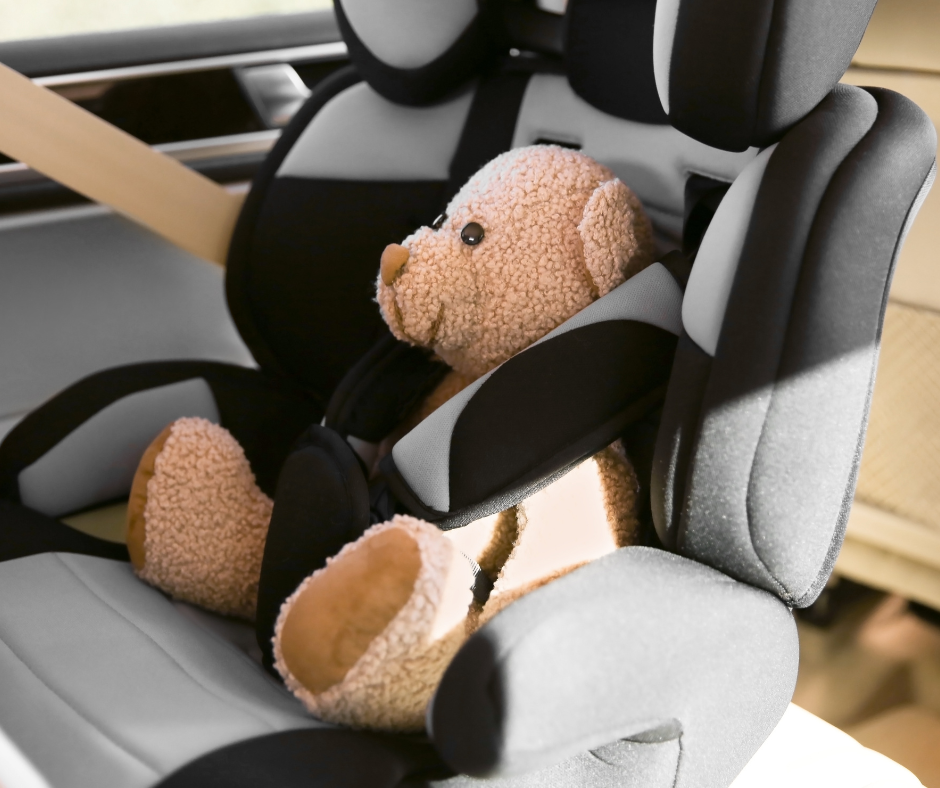
Child Car Seats:
Before taking your child’s car seat apart be sure to note the placement of hooks and loops to allow for easier assembly.
Remove the fabric cover and follow the washing instructions, usually machine washable.
Vacuum and wipe down the plastic and metal parts.
Check the manufacturer’s guidelines for cleaning the harness and buckle.
Allow fabrics to air dry to help prevent shrinking.
Strollers:
Fabric parts can often be removed and washed. Always check the label for specific instructions.
Wipe down the frame with soapy water and lubricate any moving parts if necessary.
Always check the label for specific instructions.
Play Gear
Keeping play gear clean is essential for a safe play environment.
Cleaning Different Types of Toys:
Plastic toys can be cleaned with soapy water or in the dishwasher (if dishwasher-safe).
Fabric toys are usually machine washable. For electronic toys, wipe with a damp cloth and ensure they are completely dry before use.
Maintaining Play Mats and Bouncers:
Wipe down with a mild detergent and water. For deeper cleaning, some mats can be machine washed.
Clothing and Accessories
Frequent cleaning is necessary due to their direct contact with the baby’s skin.
Washing Baby Clothes and Accessories:
Use a gentle, baby-safe detergent. Wash in warm water and rinse thoroughly.
Avoid fabric softeners and harsh chemicals.
Addressing Common Stains:
Pre-treat stains before washing. Natural stain removers like baking soda or lemon juice can be effective.
In this section, we provided tailored advice for cleaning various types of baby gear, considering the materials and usage of each. Following these guidelines will help ensure that all items are kept in the best possible condition, contributing to a safe and hygienic environment for your baby. Next, we will address common challenges and provide solutions to tackle them effectively.
Addressing Common Challenges in Baby Gear Cleaning
In the journey of maintaining baby gear cleanliness, several common challenges may arise. This section focuses on addressing these challenges, from dealing with stubborn stains and odors to choosing appropriate cleaning agents for babies with allergies or sensitive skin.
Dealing with Stubborn Stains and Odors in Baby Gear
Stains and odors are inevitable when it comes to baby gear. Here are some strategies for tackling them:
Natural Remedies vs. Commercial Solutions:
For organic stains (food, bodily fluids), soaking in a mixture of baking soda and water can be effective.
For tougher stains, enzyme-based stain removers work well but should be used according to instructions to ensure safety and never used on safety straps as they can degrade the material.
Probiotics: These beneficial bacteria create a healthier microbial environment, continuing to protect against germs after the cleaning process.
Odor Removal:
Sunlight is a natural odor neutralizer, especially for items like mattresses and fabric toys.
White vinegar can also be used as a rinse aid during washing to help neutralize odors.
Baking soda can absorb malodors in fabrics or ambient air.
Allergies and Sensitive Skin
Babies often have sensitive skin, and some may have allergies, making the choice of cleaning agents critical.
Choosing Hypoallergenic and Gentle Cleaning Agents:
Opt for detergents and cleaners specifically designed for sensitive skin, usually marked as hypoallergenic and free from dyes and fragrances.
Homemade Cleaners:
Simple homemade solutions, like a mix of vinegar and water, can be gentle yet effective for cleaning and disinfecting. You might also find orange oil to work well too.
Environmental Considerations
Eco-friendly and sustainable cleaning practices are not only good for the environment but also for your baby’s health.
Eco-Friendly Cleaning Options:
Choose biodegradable, plant-based cleaners that are less likely to contain harmful chemicals.
Reusable cloths and sponges are preferable to disposable wipes for environmental sustainability.
DIY Cleaning Solutions:
Many effective cleaners can be made at home with ingredients like vinegar, baking soda, and lemon, reducing the environmental impact and exposure to chemicals.
Baby gear should be wiped down with a nontoxic cleaner.
Safety and Risks
The safety of your baby is paramount when cleaning baby gear. This section will delve into the potential risks associated with cleaning, such as chemical hazards and physical risks, and how to mitigate them.
Chemical Hazards
Understanding the risks associated with various cleaning agents is crucial for ensuring your baby’s safety.
Avoiding Toxic Substances:
Always read labels and avoid cleaners with toxic ingredients like bleach, ammonia, or phthalates.
Even when using ‘baby-safe’ products, it’s essential to rinse items thoroughly to remove any residue.
Proper Storage of Cleaning Supplies:
Keep all cleaning agents, even those labeled as safe, out of reach of children to prevent accidental ingestion.
Physical Risks of Baby Gear Cleaning
Cleaning baby gear also involves ensuring that the items remain safe and functional.
Maintaining Structural Integrity:
Regularly check for loose screws or damaged parts during cleaning, especially on items like cribs and high chairs.
Be cautious with water exposure on wooden and electronic items to prevent damage.
Avoiding Choking Hazards:
Ensure small detachable parts are reattached securely after cleaning.
Regularly inspect toys for any wear and tear that could lead to small pieces breaking off.
Microbial Risks
Keeping baby gear free from harmful microbes is a key aspect of cleaning.
Preventing Mold and Bacterial Growth:
Ensure all items are completely dry before storage, as dampness promotes mold growth.
Consider periodic disinfection, especially in humid climates, to prevent microbial buildup and odors.
Regular Cleaning to Prevent Infections:
Stick to a regular cleaning schedule to minimize the risk of bacterial and viral infections, particularly for items that are frequently used or put in the baby’s mouth.
Tips and Best Practices
To conclude this comprehensive guide on baby gear cleaning, let’s focus on some helpful tips and best practices. These suggestions aim to make the cleaning process more efficient, ensuring that you spend less time cleaning and more time enjoying precious moments with your baby.
Efficient Cleaning Routines
Developing a routine can streamline the cleaning process, making it less daunting and more manageable.
Creating a Cleaning Schedule:
Draft a weekly and monthly cleaning schedule for different items. For example, daily cleaning for feeding equipment and weekly deep cleaning for toys. Perhaps quarterly deep cleaning of child car seats and strollers.
Stick to the schedule to prevent buildup of dirt, germs and grime.
Quick Cleaning Hacks for Busy Parents:
Keep a bin or basket for dirty toys and items that need cleaning to organize and tackle them in batches.
For quick spot cleaning of gear throughout the day, keep a spray bottle of your favorite nontoxic cleaner-disinfectant handy. You can even put a small one, plus a few microfiber rags in the diaper bag.
Storage and Maintenance of Clean Gear
Proper storage and regular maintenance of baby gear are as important as cleaning.
Proper Storage Techniques:
Store clean items in a dry, dust-free environment to prevent contamination.
Use breathable storage for fabric items to prevent mold and mildew growth.
Regular Maintenance Checks:
Periodically inspect baby gear for signs of wear and tear or damage.
Follow manufacturer’s guidelines for maintenance, such as lubricating moving parts of strollers or checking car seat straps for wear.
Remember, the goal of cleaning baby gear is not only about maintaining its appearance but, more importantly, ensuring the health and safety of your little one. While it might seem overwhelming at first, developing a routine and understanding the specific needs of each item will make the process smoother. With these guidelines in hand, you are well-equipped to create a clean, safe, and nurturing environment for your baby.
In instances where time is scarce, the task seems overwhelming, or you’re dealing with particularly stubborn cleaning challenges, seeking professional help is a wise and practical choice. Services like Germz Be Gone specialize in the deep cleaning and sanitizing of baby gear. Their expertise ensures that your baby’s items are not only visually clean but are also free from harmful microbes and allergens that can escape the untrained eye. They use specialized tools and methods that are both effective and safe, ensuring that every nook and cranny of your baby’s gear is sanitized. This can be especially helpful for items like car seats, strollers, and toys that have complex structures and are frequently used. Additionally, their knowledge of various materials and cleaning agents can prevent damage to your baby’s gear, extending its longevity and maintaining its safety.
To Recap
Remember, while this guide provides a solid foundation for cleaning and maintaining baby gear, there’s no substitute for professional expertise in certain situations. Whether it’s a routine deep clean, dealing with an illness in the home, or simply ensuring peace of mind, services like Germz Be Gone offer an extra layer of cleanliness and safety for your baby.
In closing, we encourage you to use this guide as a starting point. Embrace the journey of parenthood with the confidence that comes from knowing you’re providing a clean, safe environment for your child. And when the situation calls for it, don’t hesitate to reach out to professionals who can ensure the highest standard of hygiene for your baby’s gear.
Thank you for joining us on this important journey. Here’s to creating a cleaner, safer world for our little ones!
Appendix: Baby Gear Cleaning FAQs
Here are some frequently asked questions about baby gear cleaning, along with answers based on my 12 years of experience in the field:
1. How often should I clean my baby’s gear?
Feeding Equipment: Daily cleaning is recommended. Deep clean and sterilize once a week.
Sleeping Gear: Wash bedding weekly; clean the crib and mattress monthly.
Travel Gear (Car Seats, Strollers): A thorough clean monthly or after any spill or mess. Professionally deep cleaned every 3-months.
Toys: Clean hard toys weekly; wash plush toys as needed or at least monthly.
Clothing: Wash after each use, or more frequently if soiled.
2. Can I use the same cleaners for all types of baby gear?
Not always. Use mild detergents for fabrics and gentle, baby-safe cleaners for other gear. Avoid harsh chemicals on all baby items. Always check the manufacturer’s recommendations.
3. What’s the safest way to disinfect baby toys?
Steam cleaning and UV sterilization are safe and effective. For chemical methods, use baby-safe disinfectants and ensure toys are rinsed well.
4. How do I clean electronic toys?
Wipe them with a damp cloth with mild detergent, ensuring no water seeps into the electronics. Do not submerge them in water. Remove batteries before cleaning.
5. Can I machine wash baby gear fabrics like stroller covers and car seat covers?
Check the manufacturer’s label first. If machine washable, use a gentle cycle and baby-friendly detergent. Air dry to prevent shrinkage.
6. How do I prevent mold in bath toys?
Squeeze out all water and let them air dry after each use. Clean with a vinegar and water solution weekly, and keep them in a dry place.
7. What is the best way to remove stains from baby clothes?
Treat stains promptly with a gentle, baby-safe stain remover. Soaking in a baking soda solution before washing can also help lift stains.
8. How do I ensure I’ve rinsed off all the soap or cleaner from bottles and nipples?
Rinse thoroughly under running water. For added assurance, you can also soak them in clean water for a few minutes and then give them another rinse.
9. Is it safe to use bleach on baby gear?
It’s generally best to avoid bleach due to its harshness. If you must use it, dilute it properly, let it dwell for the required times (usually 5-10 minutes) and rinse the items thoroughly afterward.
10. How do I deal with lingering odors in baby gear, especially in fabric items?
Sun exposure can help eliminate odors naturally. Baking soda is also effective; sprinkle it on, let it sit, and then vacuum or wash off.
For urine smells, try a strong vinegar-water mix. Let it sits for a few minutes, rinse, and wipe dry.
By keeping these FAQs in mind, you can tackle most of the common issues you’ll encounter while cleaning baby gear. Remember, regular cleaning and proper maintenance not only ensure hygiene but also extend the life of the items, providing a safe and comfortable environment for your baby.
How to Keep Your Baby Gear Mold and Mildew Free (and Your Sanity Intact)
Keeping your baby gear mold and mildew free is essential for your child’s health and safety. Mold and mildew thrive in damp environments and can cause various health issues, including respiratory problems and allergies. Plus, who wants a moldy stroller, right? Follow these steps to ensure your baby gear stays clean, safe, and fabulously fresh.
1. Regular Cleaning – Because Baby Gear Isn’t Self-Cleaning (Yet)
Clean your baby gear regularly to prevent mold and mildew buildup. Use mild soap and water to wipe down surfaces. And don’t forget to dry everything thoroughly – mold loves moisture like a baby loves their pacifier.
Regular cleaning is crucial because mold spores are everywhere, just waiting for a bit of moisture to thrive. Wiping down baby gear after every use, especially after spills or messy outings, helps keep these spores from settling in and making a home. Don’t forget the nooks and crannies – mold loves hidden, damp spots.
2. Proper Storage – No, the Garage Isn’t Good Enough
Store baby gear in a dry, well-ventilated area. Avoid keeping items in damp basements or garages where mold is more likely to develop. Your baby’s car seat deserves better than to share space with old paint cans and forgotten sports equipment.
Proper storage is vital for preventing mold. A dry, well-ventilated area helps ensure that your baby gear stays moisture-free. If possible, use storage bags or containers that can keep humidity out. Always ensure that gear is completely dry before storing it away, as even a little bit of moisture can lead to mold growth.
3. Use Moisture Absorbers – For When You Need Backup
Place moisture absorbers, such as silica gel packets or dehumidifiers, in areas where you store baby gear. These products help reduce humidity and keep mold at bay. Think of them as tiny, silent heroes in the battle against mold.
Moisture absorbers can be particularly useful in more humid climates where keeping things dry can be a constant battle. Products like silica gel packets can be placed in storage bags or containers, and dehumidifiers can be used in larger storage areas to keep the overall humidity level low.
4. Check for Mold Regularly – Sherlock Holmes Style
Inspect your baby gear frequently for any signs of mold or mildew. Look for dark spots or musty smells – if it smells like the inside of an old shoe, it’s probably mold. Channel your inner detective and keep that gear spotless.
Regular inspections are your best defense against mold. Catching mold early makes it much easier to clean and prevents it from spreading. Make it a habit to give your baby gear a thorough check every week. Pay special attention to areas that are frequently damp or are often in contact with your child, like car seats and strollers.
5. Wash Fabrics Often – Because Spit Happens
Machine-wash removable fabric covers and padding regularly. Use hot water and a gentle detergent, and ensure they are completely dry before reassembling. Pro tip: Don’t reassemble until they’re drier than a desert.
Washing fabrics not only keeps them clean but also removes any mold spores that might have settled. Hot water is particularly effective at killing mold spores. Make sure all parts are completely dry before putting them back together to prevent moisture from getting trapped inside.
6. Sunlight Exposure – Nature’s Disinfectant
Expose baby gear to sunlight periodically. UV rays from the sun help kill mold spores and dry out any lingering moisture. Plus, who doesn’t love a bit of sunshine? Just be sure not to leave plastic parts out too long, or they might start to resemble a Salvador Dalí painting.
Sunlight is a natural disinfectant and can be very effective at killing mold spores. A few hours of sunlight exposure every week can do wonders for keeping mold at bay. Just be careful with plastic parts, as prolonged exposure can cause them to warp or become brittle.
7. Ventilation – Fresh Air is Your Friend
Ensure that areas where you store baby gear are well-ventilated. Use fans or open windows to allow fresh air to circulate and reduce humidity. If your storage area feels like a sauna, mold will feel right at home.
Good ventilation helps keep humidity levels low and prevents mold growth. If your storage area is poorly ventilated, consider using fans or opening windows to improve air circulation. This can help keep things dry and mold-free.
8. Address Spills Immediately – Don’t Cry Over Spilled Milk
Clean up any spills or messes on baby gear immediately. Allowing liquids to sit can lead to mold growth. Remember, the quicker you clean, the less you have to worry about mysterious odors later.
Spills and messes are inevitable, but they don’t have to lead to mold. Cleaning up spills as soon as they happen prevents moisture from seeping into fabrics and padding. Keep cleaning supplies handy so you can quickly address any messes.
9. Use Mold-Resistant Products – Fight Mold Like a Pro
Consider using mold-resistant sprays or treatments on baby gear, especially if you live in a humid climate. These products can provide an additional layer of protection against mold. It’s like giving your gear a superpower.
Mold-resistant products can be particularly effective in preventing mold growth. Sprays and treatments create a barrier that makes it more difficult for mold to take hold. Be sure to follow the manufacturer’s instructions when applying these products to ensure they are effective.
10. Professional Cleaning – When All Else Fails
If mold or mildew does develop, consider professional cleaning services to thoroughly remove it. Professionals have the tools and expertise to handle mold effectively. Think of it as calling in the cavalry.
Sometimes, despite your best efforts, mold can still take hold. When this happens, professional cleaning services can be a lifesaver. Professionals have the tools and expertise to thoroughly clean and disinfect baby gear, ensuring it is safe for your child to use.
By following these steps, you can keep your baby gear mold and mildew free, ensuring a healthier environment for your little one. For more tips on keeping your baby gear clean, check out our detailed guide on Germz Be Gone.
As a new mom, you want the best for your baby, and that includes a clean and hygienic environment. One essential item you rely on daily is your UPPAbaby stroller. However, regular use can lead to dirt, stains, and odors accumulating over time. In this comprehensive guide, we’ll walk you through the step-by-step process of cleaning your UPPAbaby stroller, ensuring it remains fresh, safe, and comfortable for your little one.
I. Understanding the Cleaning Process
Cleaning your UPPAbaby stroller involves a systematic approach to guarantee optimal results. Before you begin, refer to the manufacturer’s guidelines and instructions specific to your UPPAbaby model. Following these instructions is crucial to avoid any damage to the stroller or voiding the warranty.
II. Fabric Cleaning Techniques
UPPAbaby strollers feature various fabric types, including nylon, polyester, and cotton blends. Here’s how to tackle each one effectively:
Nylon: Spot clean using a mild detergent or a mixture of water and mild soap. Gently scrub the stained area with a soft cloth or sponge.
Polyester: Machine wash in cold water on a gentle cycle, using a mild detergent. Air dry to prevent shrinking or warping.
Cotton Blends: Hand wash using a gentle detergent or baby-safe stain remover. Rinse thoroughly and air dry.
It’s important to note that not all UPPAbaby stroller fabrics are machine washable, so always check the manufacturer’s instructions for specific care recommendations.
To maintain the stroller’s functionality and appearance, it’s essential to clean the frame and wheels regularly. Follow these steps:
Use a damp cloth with mild soap or baby-friendly surface cleaner to wipe down the frame.
Pay close attention to the joints, hinges, and hard-to-reach areas, ensuring all dirt and grime are removed.
For the wheels, remove any visible debris using a soft brush or cloth. Check for embedded objects and remove them carefully to avoid damaging the wheels.
Proper cleaning of the frame and wheels ensures smooth maneuverability and prevents any potential issues down the line.
IV. Drying and Reassembling the Stroller
After cleaning, it’s crucial to allow all parts to dry completely before reassembling the stroller. Follow these guidelines:
Ensure that fabric components are thoroughly dry to prevent mold or mildew growth.
For faster drying, hang fabric pieces in a well-ventilated area or use a fan.
Once everything is dry, reassemble the stroller carefully, ensuring all components fit securely.
Proper drying ensures that the stroller is ready for use and prevents any moisture-related issues.
To keep your UPPAbaby stroller in excellent condition, here are some maintenance tips:
Establish a regular cleaning schedule: Depending on usage and environmental factors, establish a routine for cleaning your stroller to prevent dirt and stains from building up.
Use protective covers or liners: Consider using protective covers or liners to minimize stains and dirt accumulation. These can be easily removed and washed.
Avoid placing messy snacks directly in the stroller: Use snack cups or containers to contain messes and prevent food stains.
Clean up spills promptly: Accidents happen, so it’s important to clean up spills promptly to prevent stains and odors from setting in.
Store the stroller in a clean, dry area: When not in use, store your stroller in a clean, dry area to prevent exposure to dust and moisture, which can lead to mold or mildew growth.
Following these maintenance tips will ensure your UPPAbaby stroller remains in top condition for years to come.
If you prefer to have your UPPAbaby stroller professionally cleaned or if you’re looking for a deep clean beyond your regular maintenance routine, consider using the stroller cleaning service Germz Be Gone. Germz Be Gone specializes in cleaning and sanitizing strollers, ensuring a thorough and hygienic cleaning process.
With Germz Be Gone, you can trust that your UPPAbaby stroller will receive professional attention, removing deep stains, odors, and bacteria that may be harder to tackle on your own. Their team of experts uses industry-leading techniques and eco-friendly products to restore your stroller to its pristine condition. Plus, they make house calls and come to you.
To learn more about Germz Be Gone and their stroller cleaning services, visit their website at https://www.germzbegone.com.
Conclusion
Cleaning your UPPAbaby stroller doesn’t have to be a daunting task. By following the step-by-step instructions outlined in this guide, you can ensure your little one enjoys a clean and hygienic strolling experience. Remember to always consult the manufacturer’s guidelines for your specific UPPAbaby model. By incorporating regular maintenance and cleaning into your routine, you’re providing a safe and comfortable ride for your precious bundle of joy.
Remember, a clean stroller means happy strolling for both you and your little one!