How to Clean a Child Car Seat: The Definitive Guide
Master the art of how to clean a child car seat with this complete guide. Learn step-by-step methods to safely and effectively clean car seats, ensuring your child’s health and safety. Perfect for parents seeking practical, expert advice.
How To Clean A Baby Car Seat: Preparation
Before beginning the cleaning process, it’s essential to prepare by gathering the right supplies and understanding how to safely remove the car seat from your vehicle. This preparation ensures an efficient and safe cleaning experience.
Gathering Supplies
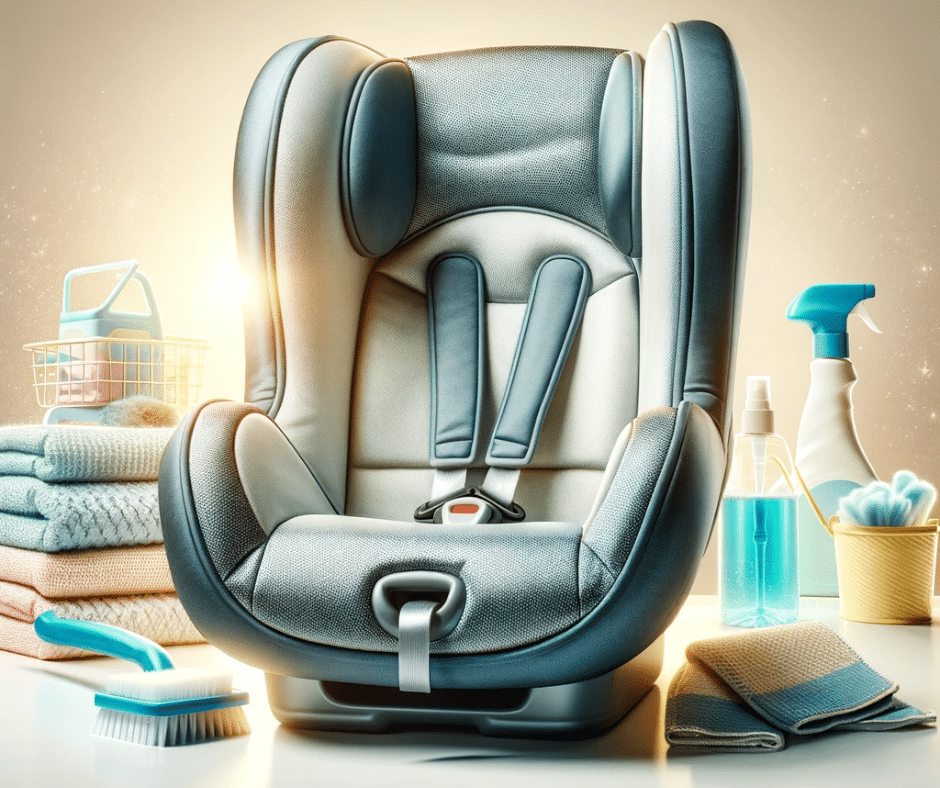
To effectively clean your child’s car seat, you’ll need specific supplies that are both effective and safe:
Gentle Cleaners vs. Disinfectants:
Cleaners: Use mild, non-toxic cleaners for general cleaning. These are less likely to harm the car seat’s fabric and components.
Disinfectants: For sanitizing, choose non-toxic, baby-safe disinfectants. Avoid harsh chemicals that can degrade safety straps and other materials.
List of Necessary Supplies:
Soft-bristled brush or sponge
Gentle, baby-safe detergent or soap
Baby-safe disinfectant wipes or spray (for disinfecting)
Vacuum cleaner with a soft brush attachment
Clean, absorbent towels or cloths
Bucket or basin for water
Removing the Car Seat
Safely removing the car seat from your vehicle is crucial to access all areas for thorough cleaning:
Consult the Manual: Before removing the car seat, consult the car seat’s manual for specific instructions to avoid damaging the seat or affecting its safety features.
Taking Photos for Reference: Snap a few pictures of how the car seat is installed, focusing on how the straps and attachments are configured. This will be helpful when re-installing the seat.
Careful Removal:
Unhook the car seat according to the manufacturer’s instructions.
Be mindful of any attachments or accessories that need to be removed with care.
How To Clean A Child Car Seat: Important Considerations
Germs in Car Seats: A study by Leasing Options, as reported by Mirror Online, found high levels of harmful bacteria, including Faecal Streptococci, on children’s car seats. This finding underlines the critical importance of regular and thorough cleaning of car seats to protect children from potential health risks.Read more about the study. In fact, our own testing proves this out many times over. Check out our video below.
Difference Between Cleaners and Disinfectants: Understanding the difference is key. Cleaners remove dirt and grime, while disinfectants kill bacteria and viruses. Many cleaners are not disinfectants and vice versa; however, you can purchase one that performs both actions. For the health and safety of your child, ensure that any disinfectants used are baby-safe and non-toxic.
Avoiding Harsh Chemicals: Harsh chemicals can not only harm your child but also degrade the materials of the car seat, especially the safety straps. Over time, these chemicals can weaken the fibers, compromising the seat’s structural integrity and safety.
Natural Options: Whenever possible, opt for natural cleaning solutions. They are often just as effective and are gentler on both the car seat materials and your baby’s health.
By adequately preparing and understanding the importance of using the right cleaning supplies, you can ensure that your child’s car seat is not only clean but also remains a safe, secure, and non-toxic environment during travel. Not to mention you can use these methods in cleaning other baby gear too.
How To Clean A Child Car Seat: Cleaning Process
The cleaning process involves several steps to ensure the car seat is thoroughly cleaned, sanitized, and safe for your child to use.
Vacuuming and Pre-Cleaning
Begin by removing loose dirt and debris with a vacuum, using a soft brush attachment to avoid damaging the seat.
Wipe down the car seat with a damp cloth to remove surface dirt.
Spot Cleaning Stains
Identify and treat stains using a gentle, baby-safe cleaner.
Apply the cleaner directly to the stain and gently rub with a soft cloth or sponge.
Washing Fabric Covers
Remove fabric covers if they are detachable. Check the care label for washing instructions—most can be machine washed.
Use a mild detergent and ensure the fabric is thoroughly rinsed to remove any soap residue.
Cleaning Harnesses and Buckles
Wipe harness straps with a damp cloth and mild soap. Avoid soaking the straps as it can weaken their integrity.
Clean buckles in warm soapy water, making sure to rinse and dry them thoroughly.
Wiping Down Plastic and Metal Parts
Use a gentle, non-toxic cleaner to wipe down plastic and metal parts.
Avoid using abrasive materials that can scratch or damage the surfaces.
Your baby will love their clean car seat.
Drying and Reassembly
Allow all parts to air dry completely before reassembling the seat.
Ensure that the car seat is correctly reassembled, referring to the photos taken during disassembly.
This step-by-step process will help you clean your child’s car seat effectively, removing dirt and germs while preserving the safety and integrity of the seat. Remember, regular cleaning not only maintains the car seat’s appearance but is also essential for your child’s health and safety.
Maintenance and Safety Tips
After cleaning, maintaining the cleanliness and safety of your child’s car seat is crucial. This section covers tips for regular maintenance and key safety considerations.
Regular Maintenance
Frequent Checks: Regularly inspect the car seat for any spills, crumbs, or stains and clean them promptly.
Routine Cleaning: Set a schedule for more thorough cleaning, depending on usage.
Safety Considerations
Reassembly: Ensure that all parts of the car seat, especially harnesses and buckles, are reassembled correctly. Refer back to the manual and the photos taken during disassembly for accuracy.
Damage Inspection: Look for signs of wear and tear, especially on straps and buckles, during each cleaning. Damaged parts can compromise the car seat’s safety.
Avoid Modifications: Do not add any aftermarket products or make modifications to the car seat, as they can affect its safety performance.
By following these maintenance and safety tips, you can ensure that the car seat remains a secure and clean environment for your child. Regular upkeep not only extends the life of the car seat but also ensures ongoing protection for your child.
How To Clean A Child Car Seat: Expert Help Is Available
In wrapping up this guide on how to clean a child car seat, we’ve covered everything from preparation and cleaning processes to maintenance and safety checks. While these steps are designed to be comprehensive, there may be instances where seeking professional help is beneficial.
Professional Cleaning Services
For those times when you need a deeper clean or simply don’t have the time, professional services like Germz Be Gone specialize in child car seat cleaning. They use specialized techniques and products that are safe and effective, ensuring your car seat is not only clean but also hygienically safe for your child.
Final Thoughts
Regular cleaning of your child’s car seat is crucial for their health and safety. By following these guidelines and considering professional services when needed, you can ensure that your child travels in a clean, safe, and hygienic car seat.
Thank you for following this guide. Your commitment to maintaining a clean and safe car seat is an important part of safeguarding your child’s wellbeing during your journeys together.
If you found this information helpful, please share the guide with other parents or leave comments with your own tips and experiences.
As parents, caregivers, or anyone involved in a child’s life, ensuring the safety and wellbeing of our little ones is our top priority. A crucial, yet often overlooked aspect of this is baby gear cleaning. That’s right, the very things that are used by your baby on a daily basis. This guide is dedicated to the vital task of keeping baby gear clean, not just to make them look good, but to ensure they remain safe and hygienic for the most delicate and precious users.
Clean baby gear is more than just an aesthetic necessity; it’s a health imperative. Babies, especially newborns and infants, have underdeveloped immune systems. This makes them particularly vulnerable to infections and illnesses that can stem from improperly cleaned gear. Whether it’s a bottle, a crib, or a toy, every item that comes into contact with a baby needs to be cleaned and maintained with the utmost care. By practicing regular baby gear cleaning you can avoid some very serious consequences.
Scope of the Baby Gear Cleaning Guide
In this comprehensive guide, we will delve into the various aspects of baby gear cleaning, covering everything from the simple washing of feeding bottles to the deep cleaning of cribs and strollers. We will explore the types of baby gear that require regular cleaning, understand the materials they are made from, and learn the best practices for their maintenance.
A key component of this guide will be addressing the risks associated with improper cleaning – from the spread of germs and bacteria to the potential dangers of using harsh chemicals. We will also provide specific cleaning guides for different types of baby gear, ensuring that you have all the knowledge and tools at your disposal to keep your baby’s environment clean, safe, and nurturing.
Join us in this essential journey to create a cleaner, safer world for our babies, understanding that every scrub, rinse, and wipe is a step towards their health and happiness.
Clean baby gear is essential to your baby’s health.
Understanding Baby Gear Cleaning
As a baby gear cleaning expert with over 12 years of experience, I’ve seen firsthand the variety and complexity of items that parents use daily for their babies. This section will help you understand the different types of baby gear and the materials they’re made from, which is crucial for determining the best cleaning methods.
Types of Baby Gear
Baby gear can be broadly categorized into several groups, each serving a different aspect of baby care:
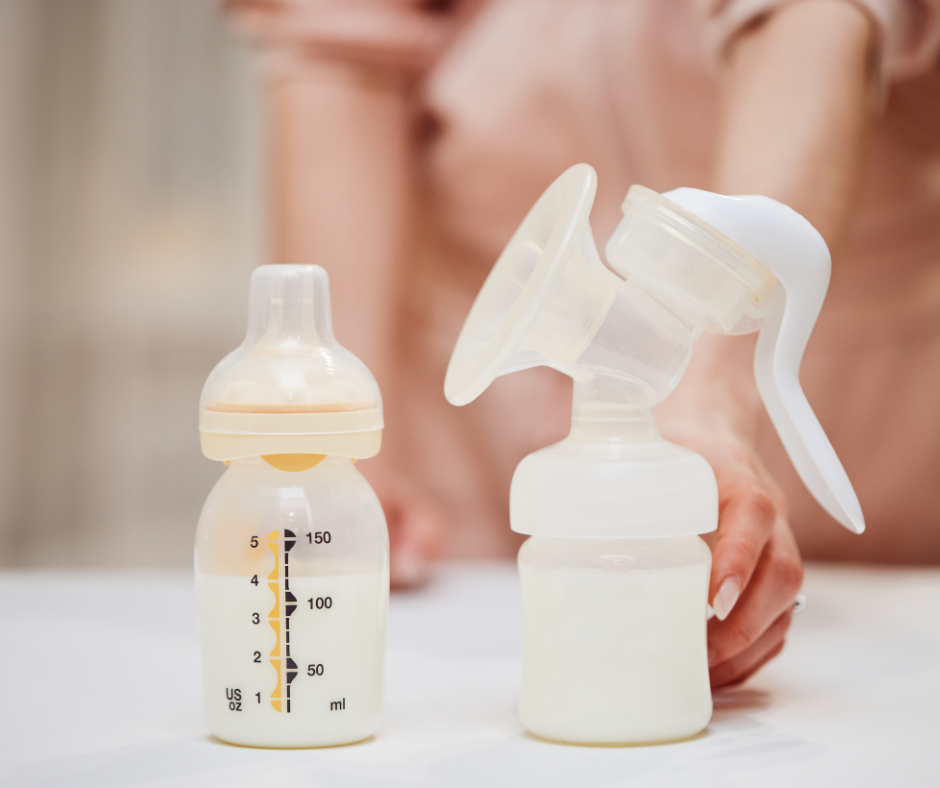
Feeding Equipment: This includes bottles, nipples, sippy cups, breast pump parts, and feeding utensils. Given that these items are in direct contact with your baby’s food, they require the most frequent and thorough cleaning.
Sleeping Gear: Items like cribs, bassinets, mattresses, and bedding are essential for a baby’s safe and comfortable sleep. Understanding how to clean these items is vital for preventing the buildup of allergens and bacteria.
Travel Gear: Car seats and strollers not only get dirty from regular use but also are exposed to various outdoor elements. They have unique cleaning needs due to their complex structures and variety of materials.
Play Gear: This category covers a wide range of items, from toys to play mats and bouncers. Each type of toy, whether plastic, plush, or electronic, requires specific cleaning considerations to maintain hygiene and functionality.
Clothing and Accessories: Baby clothes, bibs, and cloth diapers are in constant contact with sensitive skin and thus, need regular washing. Proper cleaning techniques are crucial to avoid irritation and ensure durability.
Materials Used in Baby Gear
Understanding the materials used in baby gear is key to choosing the right cleaning methods:
Plastics: Common in feeding equipment and toys, plastics require gentle yet effective cleaning to remove milk residue, food particles, and bacteria without causing degradation.
Silicones: Often used for nipples and teething toys, silicone is durable and heat-resistant but can retain odors if not cleaned properly.
Fabrics: Used in clothing, bedding, and some strollers and car seats, fabrics can harbor allergens and stains, necessitating regular washing with baby-safe detergents.
Metals: Found in gear structures like cribs and strollers, metal parts need to be cleaned to prevent rust and maintain structural integrity, especially if they are exposed to moisture.
Each of these materials has its own cleaning needs and challenges. The subsequent sections will delve deeper into the specifics of cleaning each type of gear and material, ensuring that you are equipped with the knowledge to maintain a clean, hygienic, and safe environment for your baby.
Cleaning Basics
After understanding the types and materials of baby gear, it’s essential to grasp the basics of cleaning. This knowledge forms the foundation for ensuring all baby items are not just visually clean but also hygienically safe. Here, we’ll discuss the cleaning agents and tools that are both effective and safe for baby gear, followed by basic cleaning techniques that can be applied across various types of gear.
Cleaning Agents and Tools
Choosing the right cleaning agents and tools is crucial to effectively clean baby gear without causing harm to the materials or, more importantly, to the baby.
Cleaning Agents:
Natural Cleaners: Options like vinegar, baking soda, and mild dish soap are often sufficient for most baby gear. They are less likely to leave harmful residues and are generally safe for sensitive skin.
Chemical Cleaners: For tougher cleaning jobs, especially where disinfection is needed, certain chemical cleaners can be used. It’s essential to choose those that are baby-safe, fragrance-free, and rinse off easily. I’m always a supporter of nontoxic disinfectants as they are often more powerful at killing germs than its Big Chemical counterparts and many are gentle enough for your baby’s exposure as well as the safety components of the gear itself.
Cleaning Tools:
Soft Brushes and Sponges: Ideal for scrubbing without scratching surfaces, particularly useful for bottles and feeding equipment.
Microfiber Cloths: Great for wiping down and drying items without leaving lint behind.
Toothbrushes (unused): Handy for getting into small crevices, especially in toys and high-chair trays.
Basic Baby Gear Cleaning Techniques
The following basic techniques are applicable to most baby gear items and should be part of your regular cleaning routine:
Washing:
For most items, washing with warm water and a mild detergent is effective. Ensure that all parts are disassembled if possible to reach hidden areas where grime and bacteria may accumulate.
Scrubbing:
For items with stubborn residue, like dried milk in bottles or food on high chairs, gentle scrubbing may be necessary. Use soft brushes or sponges to avoid damaging the surfaces.
Soaking:
Soaking items in a mixture of warm water and mild detergent can help loosen dirt and grime, making it easier to clean them thoroughly.
Rinsing:
This step is crucial, especially for items used for feeding. Rinse thoroughly with clean water to ensure all soap and cleaning agents are removed.
Drying:
Air-drying is often the safest method, as it avoids the potential for contamination from towels and may prevent shrinkage of fabrics. Items should be completely dry before reassembly or storage to prevent mold or bacteria growth.
These basic cleaning practices are the starting point for maintaining all types of baby gear. As we progress through the guide, we will explore more detailed and specific cleaning methods tailored to different items, keeping in mind that the ultimate goal is to ensure the items are safe and hygienic for baby use.
Deep Cleaning and Disinfection
While basic cleaning is essential for daily maintenance, deep cleaning and disinfection are critical for ensuring the highest level of hygiene, especially after illness or when dealing with tougher grime. This section covers the methods and occasions for deep cleaning, along with safety precautions to consider.
When and Why to Deep Clean
Understanding when to perform a deep clean is as important as knowing how to do it:
Routine Schedules:
Even without visible dirt or grime, it’s advisable to deep clean baby gear regularly. A monthly schedule is often sufficient for most items, but this can vary based on usage and exposure to dirt.
Post-Illness or Contamination:
After a baby recovers from an illness, deep cleaning and disinfecting their gear is crucial to eliminate any lingering germs and prevent re-infection.
If gear has been exposed to potential contaminants, such as during travel or outdoor activities, a thorough clean is necessary.
Keep a cleaning schedule or routine to ensure a clean environment for your child.
Methods of Deep Cleaning and Disinfecting
Different methods can be employed for deep cleaning, each suited to various types of gear. It’s important to use nontoxic methods, cleaners and disinfectants wherever possible.:
A chemical-free way to kill bacteria and viruses, particularly useful for small items like pacifiers, bottle nipples, and teething toys.
Chemical Disinfectants:
When using chemical disinfectants, choose those approved as safe for baby gear. Ensure they are used according to manufacturer instructions and that all items are thoroughly rinsed afterward.
Safety Precautions with Disinfectants
Using disinfectants requires careful consideration to avoid potential risks:
Proper Handling and Usage:
Always follow the manufacturer’s guidelines for dilution and application. Wear gloves if recommended, and ensure good ventilation during use.
Risks Associated with Overuse or Misuse:
Excessive use of disinfectants can lead to residue buildup, which may be harmful if ingested. It can also lead to the degradation of certain materials over time.
Incorrect usage, such as mixing different chemicals, can create harmful fumes or compounds.
Deep cleaning and disinfection play a vital role in maintaining the hygiene and longevity of baby gear. By following these guidelines, parents and caregivers can ensure that the items are not only visually clean but also free from harmful germs and bacteria.
Specific Cleaning Guides for Different Baby Gear
Having covered the basics of cleaning and the importance of deep cleaning, we now focus on specific cleaning instructions for various types of baby gear. Each type requires unique considerations to ensure they are cleaned effectively and safely.
Feeding Equipment
Feeding equipment is in constant contact with your baby’s food, making its cleanliness crucial.
Bottles, Nipples, and Breast Pump Components:
Disassemble all parts and wash with warm, soapy water.
Use a bottle brush for thorough cleaning inside the bottle and a nipple brush for the nipples.
For deep cleaning, consider using a steam sterilizer or boiling water for at least 5 minutes.
Allow to air dry on a clean drying rack.
High Chairs and Feeding Trays:
Wipe down daily with a damp cloth and mild detergent.
For deep cleaning, remove the tray and any removable parts and wash them separately.
Check the nooks and crannies for hidden food particles.
Use a bottle brush for thorough cleaning inside the bottle and a nipple brush for the nipples.
Sleeping Gear
A clean sleeping area is vital for a baby’s health and comfort.
Cribs, Mattresses, and Bedding:
Regularly wash bedding in hot water and gentle detergent.
Wipe down the crib frame with a mild detergent and warm water.
Vacuum the mattress monthly and spot clean any stains.
Consider using a waterproof mattress cover for easier cleaning.
Washing and Sterilizing Sleep Toys:
Plush toys can often be machine washed. Check the label for instructions.
For non-washable toys, wiping with a damp cloth and mild detergent or using UV sterilization is effective.
Travel Gear
Travel gear like car seats and strollers often face the toughest cleaning challenges.
Child Car Seats:
Before taking your child’s car seat apart be sure to note the placement of hooks and loops to allow for easier assembly.
Remove the fabric cover and follow the washing instructions, usually machine washable.
Vacuum and wipe down the plastic and metal parts.
Check the manufacturer’s guidelines for cleaning the harness and buckle.
Allow fabrics to air dry to help prevent shrinking.
Strollers:
Fabric parts can often be removed and washed. Always check the label for specific instructions.
Wipe down the frame with soapy water and lubricate any moving parts if necessary.
Always check the label for specific instructions.
Play Gear
Keeping play gear clean is essential for a safe play environment.
Cleaning Different Types of Toys:
Plastic toys can be cleaned with soapy water or in the dishwasher (if dishwasher-safe).
Fabric toys are usually machine washable. For electronic toys, wipe with a damp cloth and ensure they are completely dry before use.
Maintaining Play Mats and Bouncers:
Wipe down with a mild detergent and water. For deeper cleaning, some mats can be machine washed.
Clothing and Accessories
Frequent cleaning is necessary due to their direct contact with the baby’s skin.
Washing Baby Clothes and Accessories:
Use a gentle, baby-safe detergent. Wash in warm water and rinse thoroughly.
Avoid fabric softeners and harsh chemicals.
Addressing Common Stains:
Pre-treat stains before washing. Natural stain removers like baking soda or lemon juice can be effective.
In this section, we provided tailored advice for cleaning various types of baby gear, considering the materials and usage of each. Following these guidelines will help ensure that all items are kept in the best possible condition, contributing to a safe and hygienic environment for your baby. Next, we will address common challenges and provide solutions to tackle them effectively.
Addressing Common Challenges in Baby Gear Cleaning
In the journey of maintaining baby gear cleanliness, several common challenges may arise. This section focuses on addressing these challenges, from dealing with stubborn stains and odors to choosing appropriate cleaning agents for babies with allergies or sensitive skin.
Dealing with Stubborn Stains and Odors in Baby Gear
Stains and odors are inevitable when it comes to baby gear. Here are some strategies for tackling them:
Natural Remedies vs. Commercial Solutions:
For organic stains (food, bodily fluids), soaking in a mixture of baking soda and water can be effective.
For tougher stains, enzyme-based stain removers work well but should be used according to instructions to ensure safety and never used on safety straps as they can degrade the material.
Probiotics: These beneficial bacteria create a healthier microbial environment, continuing to protect against germs after the cleaning process.
Odor Removal:
Sunlight is a natural odor neutralizer, especially for items like mattresses and fabric toys.
White vinegar can also be used as a rinse aid during washing to help neutralize odors.
Baking soda can absorb malodors in fabrics or ambient air.
Allergies and Sensitive Skin
Babies often have sensitive skin, and some may have allergies, making the choice of cleaning agents critical.
Choosing Hypoallergenic and Gentle Cleaning Agents:
Opt for detergents and cleaners specifically designed for sensitive skin, usually marked as hypoallergenic and free from dyes and fragrances.
Homemade Cleaners:
Simple homemade solutions, like a mix of vinegar and water, can be gentle yet effective for cleaning and disinfecting. You might also find orange oil to work well too.
Environmental Considerations
Eco-friendly and sustainable cleaning practices are not only good for the environment but also for your baby’s health.
Eco-Friendly Cleaning Options:
Choose biodegradable, plant-based cleaners that are less likely to contain harmful chemicals.
Reusable cloths and sponges are preferable to disposable wipes for environmental sustainability.
DIY Cleaning Solutions:
Many effective cleaners can be made at home with ingredients like vinegar, baking soda, and lemon, reducing the environmental impact and exposure to chemicals.
Baby gear should be wiped down with a nontoxic cleaner.
Safety and Risks
The safety of your baby is paramount when cleaning baby gear. This section will delve into the potential risks associated with cleaning, such as chemical hazards and physical risks, and how to mitigate them.
Chemical Hazards
Understanding the risks associated with various cleaning agents is crucial for ensuring your baby’s safety.
Avoiding Toxic Substances:
Always read labels and avoid cleaners with toxic ingredients like bleach, ammonia, or phthalates.
Even when using ‘baby-safe’ products, it’s essential to rinse items thoroughly to remove any residue.
Proper Storage of Cleaning Supplies:
Keep all cleaning agents, even those labeled as safe, out of reach of children to prevent accidental ingestion.
Physical Risks of Baby Gear Cleaning
Cleaning baby gear also involves ensuring that the items remain safe and functional.
Maintaining Structural Integrity:
Regularly check for loose screws or damaged parts during cleaning, especially on items like cribs and high chairs.
Be cautious with water exposure on wooden and electronic items to prevent damage.
Avoiding Choking Hazards:
Ensure small detachable parts are reattached securely after cleaning.
Regularly inspect toys for any wear and tear that could lead to small pieces breaking off.
Microbial Risks
Keeping baby gear free from harmful microbes is a key aspect of cleaning.
Preventing Mold and Bacterial Growth:
Ensure all items are completely dry before storage, as dampness promotes mold growth.
Consider periodic disinfection, especially in humid climates, to prevent microbial buildup and odors.
Regular Cleaning to Prevent Infections:
Stick to a regular cleaning schedule to minimize the risk of bacterial and viral infections, particularly for items that are frequently used or put in the baby’s mouth.
Tips and Best Practices
To conclude this comprehensive guide on baby gear cleaning, let’s focus on some helpful tips and best practices. These suggestions aim to make the cleaning process more efficient, ensuring that you spend less time cleaning and more time enjoying precious moments with your baby.
Efficient Cleaning Routines
Developing a routine can streamline the cleaning process, making it less daunting and more manageable.
Creating a Cleaning Schedule:
Draft a weekly and monthly cleaning schedule for different items. For example, daily cleaning for feeding equipment and weekly deep cleaning for toys. Perhaps quarterly deep cleaning of child car seats and strollers.
Stick to the schedule to prevent buildup of dirt, germs and grime.
Quick Cleaning Hacks for Busy Parents:
Keep a bin or basket for dirty toys and items that need cleaning to organize and tackle them in batches.
For quick spot cleaning of gear throughout the day, keep a spray bottle of your favorite nontoxic cleaner-disinfectant handy. You can even put a small one, plus a few microfiber rags in the diaper bag.
Storage and Maintenance of Clean Gear
Proper storage and regular maintenance of baby gear are as important as cleaning.
Proper Storage Techniques:
Store clean items in a dry, dust-free environment to prevent contamination.
Use breathable storage for fabric items to prevent mold and mildew growth.
Regular Maintenance Checks:
Periodically inspect baby gear for signs of wear and tear or damage.
Follow manufacturer’s guidelines for maintenance, such as lubricating moving parts of strollers or checking car seat straps for wear.
Remember, the goal of cleaning baby gear is not only about maintaining its appearance but, more importantly, ensuring the health and safety of your little one. While it might seem overwhelming at first, developing a routine and understanding the specific needs of each item will make the process smoother. With these guidelines in hand, you are well-equipped to create a clean, safe, and nurturing environment for your baby.
In instances where time is scarce, the task seems overwhelming, or you’re dealing with particularly stubborn cleaning challenges, seeking professional help is a wise and practical choice. Services like Germz Be Gone specialize in the deep cleaning and sanitizing of baby gear. Their expertise ensures that your baby’s items are not only visually clean but are also free from harmful microbes and allergens that can escape the untrained eye. They use specialized tools and methods that are both effective and safe, ensuring that every nook and cranny of your baby’s gear is sanitized. This can be especially helpful for items like car seats, strollers, and toys that have complex structures and are frequently used. Additionally, their knowledge of various materials and cleaning agents can prevent damage to your baby’s gear, extending its longevity and maintaining its safety.
To Recap
Remember, while this guide provides a solid foundation for cleaning and maintaining baby gear, there’s no substitute for professional expertise in certain situations. Whether it’s a routine deep clean, dealing with an illness in the home, or simply ensuring peace of mind, services like Germz Be Gone offer an extra layer of cleanliness and safety for your baby.
In closing, we encourage you to use this guide as a starting point. Embrace the journey of parenthood with the confidence that comes from knowing you’re providing a clean, safe environment for your child. And when the situation calls for it, don’t hesitate to reach out to professionals who can ensure the highest standard of hygiene for your baby’s gear.
Thank you for joining us on this important journey. Here’s to creating a cleaner, safer world for our little ones!
Appendix: Baby Gear Cleaning FAQs
Here are some frequently asked questions about baby gear cleaning, along with answers based on my 12 years of experience in the field:
1. How often should I clean my baby’s gear?
Feeding Equipment: Daily cleaning is recommended. Deep clean and sterilize once a week.
Sleeping Gear: Wash bedding weekly; clean the crib and mattress monthly.
Travel Gear (Car Seats, Strollers): A thorough clean monthly or after any spill or mess. Professionally deep cleaned every 3-months.
Toys: Clean hard toys weekly; wash plush toys as needed or at least monthly.
Clothing: Wash after each use, or more frequently if soiled.
2. Can I use the same cleaners for all types of baby gear?
Not always. Use mild detergents for fabrics and gentle, baby-safe cleaners for other gear. Avoid harsh chemicals on all baby items. Always check the manufacturer’s recommendations.
3. What’s the safest way to disinfect baby toys?
Steam cleaning and UV sterilization are safe and effective. For chemical methods, use baby-safe disinfectants and ensure toys are rinsed well.
4. How do I clean electronic toys?
Wipe them with a damp cloth with mild detergent, ensuring no water seeps into the electronics. Do not submerge them in water. Remove batteries before cleaning.
5. Can I machine wash baby gear fabrics like stroller covers and car seat covers?
Check the manufacturer’s label first. If machine washable, use a gentle cycle and baby-friendly detergent. Air dry to prevent shrinkage.
6. How do I prevent mold in bath toys?
Squeeze out all water and let them air dry after each use. Clean with a vinegar and water solution weekly, and keep them in a dry place.
7. What is the best way to remove stains from baby clothes?
Treat stains promptly with a gentle, baby-safe stain remover. Soaking in a baking soda solution before washing can also help lift stains.
8. How do I ensure I’ve rinsed off all the soap or cleaner from bottles and nipples?
Rinse thoroughly under running water. For added assurance, you can also soak them in clean water for a few minutes and then give them another rinse.
9. Is it safe to use bleach on baby gear?
It’s generally best to avoid bleach due to its harshness. If you must use it, dilute it properly, let it dwell for the required times (usually 5-10 minutes) and rinse the items thoroughly afterward.
10. How do I deal with lingering odors in baby gear, especially in fabric items?
Sun exposure can help eliminate odors naturally. Baking soda is also effective; sprinkle it on, let it sit, and then vacuum or wash off.
For urine smells, try a strong vinegar-water mix. Let it sits for a few minutes, rinse, and wipe dry.
By keeping these FAQs in mind, you can tackle most of the common issues you’ll encounter while cleaning baby gear. Remember, regular cleaning and proper maintenance not only ensure hygiene but also extend the life of the items, providing a safe and comfortable environment for your baby.
Orange Oil in Baby Gear Cleaning: Natural, Effective, and Safe
Hello, eco-conscious families!
Today, we’re diving into the citrusy world of orange oil and its role in cleaning baby gear. As parents, we’re always on the hunt for safe and effective ways to keep our little ones’ surroundings pristine. Orange oil, with its delightful aroma and powerful cleaning properties, stands out as an excellent choice for eco-friendly cleaning. It’s more than just a pleasant scent; it’s a robust, natural cleaner that’s safe for your baby and the planet.
The Power of Orange Oil
Renowned for its natural degreasing properties, orange oil is a standout choice for tackling stubborn stains and residues on baby gear. Its effectiveness comes from a compound called d-limonene, which effortlessly cuts through grease and grime. This gentle action ensures that it cleans without damaging the delicate materials of your baby’s gear.
Moreover, orange oil acts as a natural antiseptic. It sanitizes baby gear, ensuring the items your child uses are not just visually clean but also free from harmful bacteria. This is especially important for items like strollers, car seats, and toys that are in constant contact with your child.
Eco-Friendly and Child-Safe
In our journey towards safer cleaning alternatives, the eco-friendliness of orange oil is remarkable. Being biodegradable, it doesn’t leave harmful residues in the environment. This aligns perfectly with our commitment to protecting the planet for future generations.
Furthermore, its non-toxic nature makes it an ideal choice for cleaning baby gear. Traditional cleaning agents often contain harsh chemicals that can irritate your baby’s skin and respiratory system. Orange oil offers a powerful yet gentle alternative, ensuring the safety and health of your little one.
Application in Baby Gear Cleaning
Whether it’s wiping down a high chair after a messy meal or cleaning the fabric of a stroller, orange oil can be used in various forms – from pure oil mixed with water to eco-friendly cleaners containing orange oil as an active ingredient.
Embracing orange oil in our cleaning routine is not just a smart choice but a step towards a healthier, safer environment for your child. Its natural cleaning power, combined with its safety profile, makes it an essential part of any eco-conscious family’s radar.
For those seeking professional eco-friendly cleaning services incorporating the power of orange oil, visit Germz Be Gone. Let us help you create a cleaner, safer world for your little ones.
In our journey to redefine cleanliness in baby gear, we’ve embraced the power of nature through probiotics and enzymes. This unique combination is central to our eco-friendly approach at Germz Be Gone, ensuring that your baby’s stroller is not just clean but also maintains a healthful cleanliness.
The Role of Probiotics in Cleaning
Probiotics, typically known for their health benefits in our diets, are now playing a crucial role in redefining cleaning standards. These beneficial bacteria create a microscopic army that battles harmful germs, reducing the likelihood of pathogen growth. By applying probiotics to your baby’s stroller, we establish a healthy microbial environment. This invisible layer continues to work long after the cleaning process, offering a longer-lasting protection than traditional cleaning methods.
Enzymes: Nature’s Cleaning Agents
Enzymes are biodegradable and highly effective cleaning agents. These natural catalysts excel in breaking down organic matter – from food residues to common stains found in strollers. They target the molecular structure of the stains, breaking them into smaller, easily removable components. This ensures a deeper clean, tackling the root of the problem and eliminating odors at their source.
A Synergistic Approach
Combining probiotics and enzymes in our cleaning process creates a synergistic effect. The enzymes first tackle the organic stains, preparing the ground for probiotics to establish a healthy and clean environment. This approach not only cleans but also helps in maintaining the fabric quality and color vibrancy of the stroller.
Eco-Friendly and Child-Safe
In choosing probiotics and enzymes, we’re not just cleaning; we’re caring for your child and the environment. This natural approach is free from harsh chemicals, ensuring that your baby’s stroller is a safe zone, free from potential irritants. It aligns with our commitment to sustainability, reducing our ecological footprint while providing a superior cleaning service.
By harnessing the power of probiotics and enzymes, Germz Be Gone is at the forefront of eco-friendly and effective cleaning solutions. We’re not just cleaning baby gear; we’re ensuring a cleaner, safer, and healthier environment for your little ones.
In the world of eco-friendly cleaning, steam stands out as a champion. It’s the heart of our method at Germz Be Gone, and for good reason. Steam cleaning brings a combination of efficacy, safety, and environmental consciousness that aligns perfectly with our mission to provide the best for your little ones and the planet.
Why Steam Cleaning?
Deep Cleaning and Sanitization: The power of steam cleaning lies in its ability to penetrate deep into fabrics and hard-to-reach crevices of strollers. The high temperature of steam effectively eliminates a wide range of bacteria and viruses, ensuring a level of sanitation that is often unachievable with conventional cleaning methods. This deep cleaning is particularly crucial for items like strollers, which are regularly exposed to outdoor elements and frequent handling.
Chemical-Free Cleaning: One of the most significant advantages of steam cleaning is that it uses no harsh chemicals. In a world where we’re increasingly conscious of the products we use, especially around our children, the ability to clean effectively without chemical residues is a game-changer. This not only protects the health of your child but also contributes to a healthier environment.
Versatility and Safety: Strollers come in various materials – from fabric seats to plastic trays and metal frames. Steam cleaning is incredibly versatile and safe for these different materials. It cleans without causing the wear and tear associated with scrubbing or the use of harsh cleaning agents. This means your stroller not only gets thoroughly cleaned but also maintains its integrity and longevity.
The Process
Our steam cleaning process is meticulous and tailored to each stroller’s needs. We start by assessing the stroller to determine the specific approach required. The steam is then applied at a controlled temperature and pressure to ensure thorough cleaning without damaging any part of the stroller. This method is effective in removing food stains, milk spills, and all the little messes that are part of a baby’s daily adventures.
Environmental Impact
Choosing steam cleaning is choosing to protect the environment. This method uses minimal water compared to traditional cleaning methods, reducing water waste. Moreover, by avoiding chemicals, we’re not contributing to water pollution – a significant concern with many cleaning agents.
Final Thoughts
Steam cleaning is not just a cleaning method; it’s a statement of our commitment to your child’s safety and the well-being of our planet. It symbolizes our dedication to providing a service that goes beyond just aesthetics, focusing on health, safety, and environmental responsibility. In every puff of steam, we see a promise – a promise of a cleaner, safer world for our little ones.