Tag: stroller cleaning

  • Protecting Your Little Ones: How Baby Gear Cleaning Helps Reduce the Risk of Measles

    Protecting Your Little Ones: How Baby Gear Cleaning Helps Reduce the Risk of Measles

    Protecting Your Little Ones: How Baby Gear Cleaning Helps Reduce the Risk of Measles

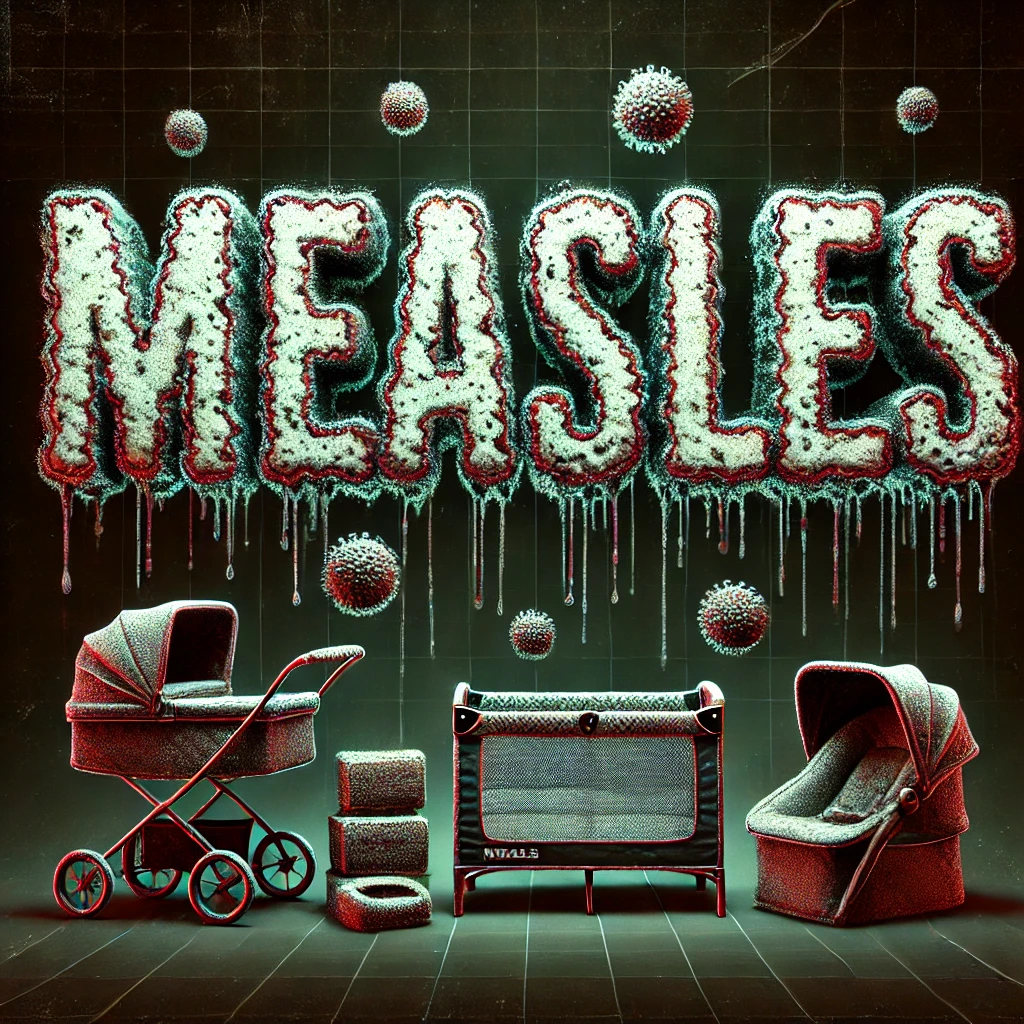
    Measles has been making headlines again as cases rise in different parts of the world. For parents of infants and young children, this can be concerning—especially since babies under 12 months old aren’t yet eligible for the measles vaccine.

    At Germz Be Gone, we’re committed to creating cleaner, safer environments for children by deep cleaning baby gear and using advanced disinfecting techniques like fogging and probiotics. In this post, we’ll explain what measles is, how it spreads, and how regular cleaning of strollers, car seats, and play areas can help reduce exposure.

    What Is Measles and How Does It Spread?

    Measles is a highly contagious virus that spreads through the air when an infected person coughs or sneezes. The virus can linger in the air and on surfaces for up to two hours, meaning that someone can get infected just by being in the same room where an infected person recently was.

    Common symptoms of measles include:

    • High fever
    • Cough and runny nose
    • Red, watery eyes
    • A rash that spreads across the body

    While most people recover, measles can lead to serious complications—especially in babies, young children, and those with weakened immune systems. That’s why prevention is key.

    Why Are Measles Cases on the Rise?

    Over the past few decades, the world has made great progress in reducing measles cases. However, in recent years, cases have started increasing again. Some of the reasons include:

    • Missed or delayed vaccinations – Many children have fallen behind on routine vaccinations due to healthcare disruptions.
    • International travel – Measles can easily spread when travelers bring the virus from one country to another.
    • Community outbreaks – If measles enters a group where people are not immune, it can spread quickly.

    The good news is that we have ways to protect our families and communities—starting with good hygiene and regular cleaning practices.

    How Baby Gear Cleaning Can Help Reduce the Risk of Measles

    Since measles can survive on surfaces for up to two hours, keeping baby gear clean is essential—especially since little ones constantly touch and put things in their mouths.

    At Germz Be Gone, we specialize in deep cleaning baby gear like:

    • Strollers
    • Car seats
    • High chairs
    • Playpens
    • Toys

    Our cleaning process removes germs, bacteria, and allergens that could be lingering on these items.

    Our Cleaning Process Includes:

    1. Steam Cleaning

    • Uses high-temperature steam to naturally kill viruses and bacteria without harsh chemicals.
    • Penetrates deep into fabrics and hard-to-clean areas for a thorough clean.

    2. Thymol-Based Disinfecting

    • Thymol is a plant-based disinfectant derived from thyme, known for its powerful ability to kill 99.99% of viruses and bacteria.
    • Unlike harsh chemical cleaners, it is safe for babies, pets, and sensitive skin.

    3. Probiotic Cleaning for Long-Term Protection

    • After disinfecting, we apply probiotics to restore healthy bacteria on surfaces.
    • These beneficial microbes help create a natural barrier against harmful germs.
    • Probiotics continue working for days after cleaning, offering long-lasting protection.

    Taking Cleaning Beyond Baby Gear: Fogging for Extra Protection

    For parents who want even more protection, especially in high-traffic areas like playrooms and daycare centers, fogging can be an excellent solution.

    How Fogging Helps:

    • Uses a fine mist to disinfect entire rooms quickly and efficiently.
    • Reaches hard-to-clean areas like playrooms, cribs, and shared spaces.
    • Uses thymol-based disinfectants, which are both effective and safe for children.
    • Helps reduce the spread of viruses, bacteria, and allergens.

    If you run a daycare, playgroup, or baby-friendly business, this can be a great way to maintain a clean and healthy environment.

    Final Thoughts: Keeping Kids Safe and Healthy

    Measles is preventable, and every step we take matters in protecting our children.

    • Regular baby gear cleaning helps remove germs and allergens.
    • Disinfecting and fogging provide extra protection in high-risk areas.
    • Probiotic cleaning supports a healthier environment over time.

    At Germz Be Gone, we’re here to help parents create cleaner, safer spaces for their children. Whether you need a deep clean for your baby gear or want to learn more about fogging and probiotics, we’ve got you covered.

    Together, we can take simple, effective steps to keep our little ones safe from germs and illness.

    📅 Book a cleaning today!

  • Untitled post 16206
    (adsbygoogle = window.adsbygoogle || []).push({});

    .vce-row-container .vcv-lozad {display: none}

    .woocommerce-product-gallery{ opacity: 1 !important; }

    How to Keep Your Baby Gear Mold and Mildew Free (and Your Sanity Intact)

    Keeping your baby gear mold and mildew free is essential for your child’s health and safety. Mold and mildew thrive in damp environments and can cause various health issues, including respiratory problems and allergies. Plus, who wants a moldy stroller, right? Follow these steps to ensure your baby gear stays clean, safe, and fabulously fresh.

    1. Regular Cleaning – Because Baby Gear Isn’t Self-Cleaning (Yet)

    Clean your baby gear regularly to prevent mold and mildew buildup. Use mild soap and water to wipe down surfaces. And don’t forget to dry everything thoroughly – mold loves moisture like a baby loves their pacifier.

    Regular cleaning is crucial because mold spores are everywhere, just waiting for a bit of moisture to thrive. Wiping down baby gear after every use, especially after spills or messy outings, helps keep these spores from settling in and making a home. Don’t forget the nooks and crannies – mold loves hidden, damp spots.

    2. Proper Storage – No, the Garage Isn’t Good Enough

    Store baby gear in a dry, well-ventilated area. Avoid keeping items in damp basements or garages where mold is more likely to develop. Your baby’s car seat deserves better than to share space with old paint cans and forgotten sports equipment.

    Proper storage is vital for preventing mold. A dry, well-ventilated area helps ensure that your baby gear stays moisture-free. If possible, use storage bags or containers that can keep humidity out. Always ensure that gear is completely dry before storing it away, as even a little bit of moisture can lead to mold growth.

    3. Use Moisture Absorbers – For When You Need Backup

    Place moisture absorbers, such as silica gel packets or dehumidifiers, in areas where you store baby gear. These products help reduce humidity and keep mold at bay. Think of them as tiny, silent heroes in the battle against mold.

    Moisture absorbers can be particularly useful in more humid climates where keeping things dry can be a constant battle. Products like silica gel packets can be placed in storage bags or containers, and dehumidifiers can be used in larger storage areas to keep the overall humidity level low.

    4. Check for Mold Regularly – Sherlock Holmes Style

    Inspect your baby gear frequently for any signs of mold or mildew. Look for dark spots or musty smells – if it smells like the inside of an old shoe, it’s probably mold. Channel your inner detective and keep that gear spotless.

    Regular inspections are your best defense against mold. Catching mold early makes it much easier to clean and prevents it from spreading. Make it a habit to give your baby gear a thorough check every week. Pay special attention to areas that are frequently damp or are often in contact with your child, like car seats and strollers.

    5. Wash Fabrics Often – Because Spit Happens

    Machine-wash removable fabric covers and padding regularly. Use hot water and a gentle detergent, and ensure they are completely dry before reassembling. Pro tip: Don’t reassemble until they’re drier than a desert.

    Washing fabrics not only keeps them clean but also removes any mold spores that might have settled. Hot water is particularly effective at killing mold spores. Make sure all parts are completely dry before putting them back together to prevent moisture from getting trapped inside.

    6. Sunlight Exposure – Nature’s Disinfectant

    Expose baby gear to sunlight periodically. UV rays from the sun help kill mold spores and dry out any lingering moisture. Plus, who doesn’t love a bit of sunshine? Just be sure not to leave plastic parts out too long, or they might start to resemble a Salvador Dalí painting.

    Sunlight is a natural disinfectant and can be very effective at killing mold spores. A few hours of sunlight exposure every week can do wonders for keeping mold at bay. Just be careful with plastic parts, as prolonged exposure can cause them to warp or become brittle.

    7. Ventilation – Fresh Air is Your Friend

    Ensure that areas where you store baby gear are well-ventilated. Use fans or open windows to allow fresh air to circulate and reduce humidity. If your storage area feels like a sauna, mold will feel right at home.

    Good ventilation helps keep humidity levels low and prevents mold growth. If your storage area is poorly ventilated, consider using fans or opening windows to improve air circulation. This can help keep things dry and mold-free.

    8. Address Spills Immediately – Don’t Cry Over Spilled Milk

    Clean up any spills or messes on baby gear immediately. Allowing liquids to sit can lead to mold growth. Remember, the quicker you clean, the less you have to worry about mysterious odors later.

    Spills and messes are inevitable, but they don’t have to lead to mold. Cleaning up spills as soon as they happen prevents moisture from seeping into fabrics and padding. Keep cleaning supplies handy so you can quickly address any messes.

    9. Use Mold-Resistant Products – Fight Mold Like a Pro

    Consider using mold-resistant sprays or treatments on baby gear, especially if you live in a humid climate. These products can provide an additional layer of protection against mold. It’s like giving your gear a superpower.

    Mold-resistant products can be particularly effective in preventing mold growth. Sprays and treatments create a barrier that makes it more difficult for mold to take hold. Be sure to follow the manufacturer’s instructions when applying these products to ensure they are effective.

    10. Professional Cleaning – When All Else Fails

    If mold or mildew does develop, consider professional cleaning services to thoroughly remove it. Professionals have the tools and expertise to handle mold effectively. Think of it as calling in the cavalry.

    Sometimes, despite your best efforts, mold can still take hold. When this happens, professional cleaning services can be a lifesaver. Professionals have the tools and expertise to thoroughly clean and disinfect baby gear, ensuring it is safe for your child to use.

    By following these steps, you can keep your baby gear mold and mildew free, ensuring a healthier environment for your little one. For more tips on keeping your baby gear clean, check out our detailed guide on Germz Be Gone.

    (adsbygoogle = window.adsbygoogle || []).push({});
  • Untitled post 16171

    An Expert’s Guide To Cleaning Stroller Fabrics

    If you read our ultimate stroller cleaning guide, then you know strollers are essential for parents on-the-go, providing a comfortable and convenient mode of transportation for their little ones. However, with regular use, stroller fabrics can accumulate dirt, stains, and unpleasant odors. Cleaning the fabric is crucial not only for maintaining the stroller’s appearance but also for creating a hygienic environment for your child. In this comprehensive guide, we’ll walk you through the step-by-step process of cleaning stroller fabrics effectively, ensuring a fresh and comfortable ride for your baby.

    I. Assessing the Fabric

    Before you start the cleaning process, it’s important to assess the type of fabric used in your stroller. Common stroller fabrics include nylon, polyester, and cotton blends. Each fabric requires different cleaning techniques and care instructions. Refer to the manufacturer’s guidelines or labels on your stroller to determine the appropriate cleaning methods for the fabric.

    how to clean stroller fabrics

    II. Spot Cleaning

    For minor stains or localized dirt, spot cleaning is an effective solution. Here’s how to spot clean your stroller fabrics:

    1. Prepare a mild cleaning solution: Mix a small amount of mild detergent or baby-safe soap with warm water.
    2. Test on a hidden area: Before applying the solution to the stained area, test it on a hidden or inconspicuous part of the fabric to ensure it doesn’t cause any discoloration or damage.
    3. Gently scrub the stain: Using a soft cloth, sponge, or brush, gently scrub the stained area with the cleaning solution. Work in circular motions to lift the stain without spreading it further.
    4. Rinse with clean water: After scrubbing, rinse the area with clean water to remove any soapy residue.
    5. Allow to air dry: Let the fabric air dry completely before using the stroller again.

    III. Machine Washing

    For machine-washable stroller fabrics, such as polyester, follow these steps to clean them effectively:

    1. Remove fabric components: Detach any removable fabric parts from the stroller frame according to the manufacturer’s instructions. This may include seat covers, canopies, and padding.
    2. Check for specific instructions: Refer to the manufacturer’s guidelines or labels on the fabric for any specific washing instructions, such as water temperature and cycle settings.
    3. Pre-treat stains: If there are noticeable stains, pre-treat them with a stain remover suitable for the fabric type, following the manufacturer’s instructions.
    4. Machine wash: Place the fabric components in the washing machine and select the appropriate water temperature and gentle cycle. Use a mild detergent that is safe for baby items.
    5. Air dry or tumble dry on low: After washing, either air dry the fabric components or tumble dry them on a low heat setting. High heat can damage certain fabrics, causing shrinkage or warping.

    IV. Hand Washing

    For stroller fabrics that are not machine washable, such as cotton blends, hand washing is the preferred method. Follow these steps:

    1. Fill a basin or sink with lukewarm water: Fill a basin or sink with water at a comfortable temperature.
    2. Add mild detergent: Add a small amount of gentle detergent suitable for baby items to the water and mix it well to create a soapy solution.
    3. Submerge the fabric: Place the fabric components in the soapy water and gently agitate them to ensure they are fully submerged.
    4. Gently scrub and rinse: Using your hands, gently scrub the fabric to remove dirt and stains. Pay extra attention to soiled areas. Rinse the fabric thoroughly with clean water to remove any soap residue.
    5. Squeeze out excess water: Carefully squeeze out excess water from the fabric without wringing or twisting it.
    6. Air dry: Hang the fabric components in a well-ventilated area or lay them flat on a clean surface to air dry completely.

    V. Dealing with Odors

    Stroller fabrics can develop unpleasant odors over time. To combat odors, consider the following tips:

    1. Sprinkle baking soda: Before cleaning, sprinkle baking soda over the fabric components and let it sit for a few hours. Baking soda helps absorb and neutralize odors.
    2. Use odor-eliminating sprays: After cleaning, you can use fabric-friendly odor-eliminating sprays specifically designed for baby items. Follow the instructions on the spray bottle to freshen up the fabric.

    VI. Additional Tips for Stroller Fabric Care:

    1. Regular maintenance: Establish a regular cleaning schedule for your stroller fabrics, depending on usage and exposure to dirt or spills.
    2. Avoid harsh chemicals: When cleaning stroller fabrics, always use mild detergents or baby-safe soaps to avoid damaging the fabric or causing skin irritation.
    3. Read manufacturer’s instructions: Refer to the manufacturer’s guidelines and care instructions for your specific stroller model. They may provide valuable information regarding fabric maintenance and cleaning techniques.
    4. Protect the fabric: Consider using protective covers or liners to minimize dirt and stains from accumulating on the fabric. These can be easily removed and washed.
    5. Prevention is key: Avoid placing messy or staining substances directly on the stroller fabrics. Opt for snack cups or containers to contain messes and spills.

    Regularly cleaning your stroller fabrics is essential for maintaining a fresh, hygienic, and comfortable environment for your little one. By following the steps outlined in this guide, you can effectively clean your stroller fabrics based on their specific care requirements. Remember to always refer to the manufacturer’s instructions for your stroller model and use gentle cleaning techniques to preserve the fabric’s quality. With proper care and maintenance, your stroller fabrics will stay clean, fresh, and ready for countless enjoyable rides with your baby.

    Relevant Reading

  • Untitled post 16112

    Why You Need a Car Seat Cleaning Service

    Car seats are an essential part of keeping your child safe while in the car, but they can also be a breeding ground for germs. Food, drinks, and bodily fluids can all make their way onto a car seat, and if not cleaned regularly, these messes can harbor bacteria and other harmful microorganisms.

    A car seat cleaning service can help you keep your child’s car seat clean and free of germs. These services use professional-grade cleaning products and equipment to remove even the toughest stains and messes. In addition, car seat cleaning services can also sanitize your car seat, killing any bacteria or viruses that may be present.

    Benefits of Using a Car Seat Cleaning Service

    There are many benefits to using a car seat cleaning service, including:

    • Peace of mind: Knowing that your child’s car seat is clean and free of germs can give you peace of mind.
    • Convenience: A car seat cleaning service may come to you, so you don’t have to worry about taking your car seat anywhere.
    • Professional results: Car seat cleaning services use professional-grade cleaning products and equipment to get the job done right.
    • Hygiene: Car seat cleaning services can also sanitize your car seat, killing any bacteria or viruses that may be present.
    why you need a car seat cleaning service
    why you need a car seat cleaning service

    How to Find a Service That’s Right For You

    If you’re interested in using a car seat cleaning service, there are a few things you can do to find one:

    • Ask your friends, family, or neighbors for recommendations.
    • Search online for car seat cleaning services in your area. Stay away from overnight services. There’s little reason your car seat should ever leave your sight or premises.
    • Read reviews of different car seat cleaning services before you make a decision–if you can find them as these services can be quite rare if you’re not in a big metro area.

    When to Clean Your Child’s Car Seat

    You should use a car seat cleaning service as often as needed. However, it’s a good idea to have your car seat cleaned at least once every three months, or more often if your child is a messy eater or if they get sick often.

    Book Your Car Seat Cleaning Service Today

    A car seat cleaning service is a great way to keep your child’s car seat clean and free of germs. These services are convenient, professional, and can help you keep your child safe and healthy.

    For the most convenient, nontoxic, stellar results, choose Germz Be Gone!

  • Untitled post 15834

    The Importance of Regularly Cleaning Your Child’s Car Seat

    As a parent, your top priority is keeping your child safe at all times. One important aspect of child safety that is often overlooked is the cleanliness of your child’s car seat.

    Car seats can quickly become breeding grounds for germs and bacteria, especially if they are not cleaned on a regular basis. Spills, leaks, and messes can easily go unnoticed in the crevices and cracks of a car seat, leading to odors, stains, and potentially even health risks.

    But it’s not just spills and leaks that can make car seats dirty. Your child’s car seat is also subjected to a variety of other contaminants, including sweat, food crumbs, and even car exhaust fumes. All of these can accumulate over time, creating a potentially unhealthy environment for your child.

    Cleaning your child’s car seat on a regular basis is an important part of maintaining a safe and healthy environment for them. It’s also a good idea to deep clean your car seat at least once a year, or more often if it gets especially dirty.

    There are a few different options for cleaning your child’s car seat. You can try using a mild detergent and warm water to spot clean any visible stains or messes. For a deeper clean, you can also use a car seat cleaning solution specifically designed for use on child safety seats.

    If you’re not comfortable cleaning your child’s car seat yourself, or if you don’t have the time, there are also professional car seat cleaning services that can do the job for you (like Germz Be Gone). These services use specialized equipment and eco-friendly cleaning products to thoroughly sanitize and disinfect your child’s car seat, ensuring that it is as clean and safe as possible.

    In conclusion, it is important for parents to prioritize the regular cleaning of their child’s car seat in order to maintain a healthy and safe environment for their little one. Whether you choose to do it yourself or hire a professional service, taking the time to keep your child’s car seat clean is an important aspect of responsible parenting.